


B.Tech Electrical Engineering
About
BTech - Electrical
A B.Tech in Electrical Engineering focuses on the study and application of electrical systems, power generation, transmission, and distribution. The program covers circuit theory, control systems, electronics, and renewable energy technologies. It develops strong analytical, technical, and problem-solving skills. Graduates are prepared for careers in power industries, automation, electronics, and energy management sectors.

Why Study BTech - Electrical
Technical Expertise
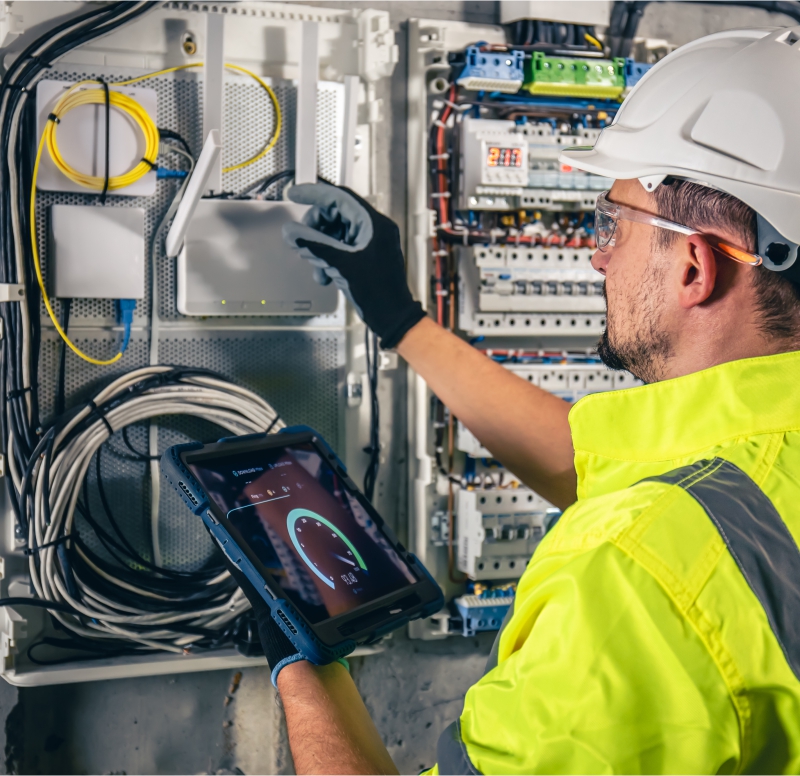
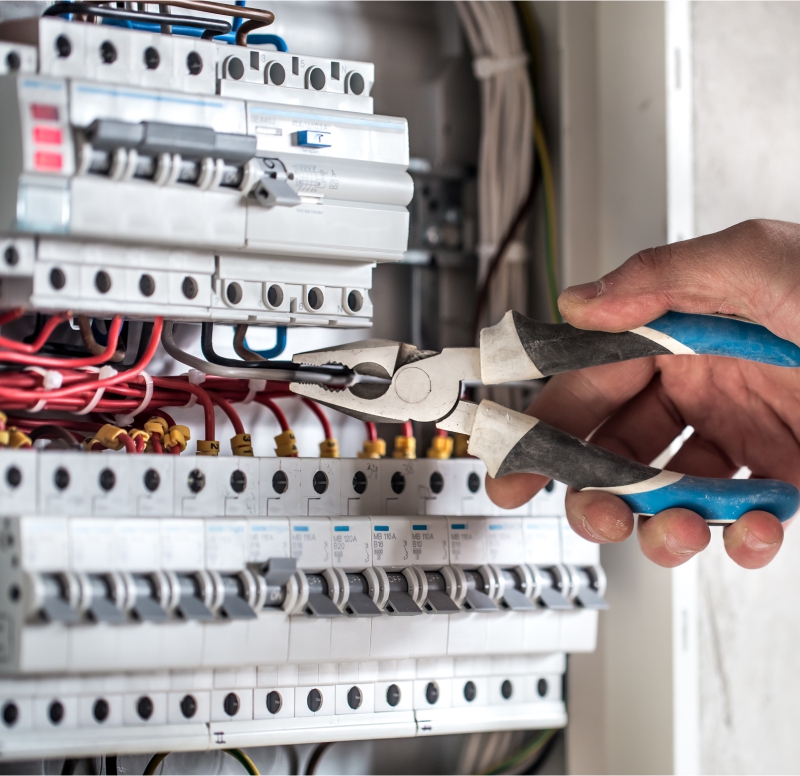
Acquire hands-on experience with modern tools, simulation software, and renewable energy applications



Analytical Thinking
Develop strong problem-solving, critical thinking, and data-driven decision-making skills.

Duration: 4 years (Semester System)
Affiliation
A recognized constituent institution under Gokul Global University.

Eligibility Criteria
Candidate shall have Passed 12th Examination with Physics, Chemistry, Maths/Biology subjects and in these subjects along with theory or theory + practical candidate should have obtained at least 45% in case of general category and 40% in case of reserved category from recognized board

Mode of Admission
As per the guidelines and procedure prescribed by UGC and AICTE.

curriculum
| S. No | Course Name | Details |
|---|---|---|
| 1 | B. Tech Electrical Engineering Semester - 1 |  |
| S. No | Course Name | Details |
|---|---|---|
| 1 | B. Tech Electrical Engineering Semester - 2 | |
| S. No | Course Name | Details |
|---|---|---|
| 1 | B. Tech Electrical Engineering Semester - 3 | |
| S. No | Course Name | Details |
|---|---|---|
| 1 | B. Tech Electrical Engineering Semester - 4 | |
| S. No | Course Code | Course Name | Type | Credits | Theory | Tutorial | Practical | Detail Syllabus |
|---|---|---|---|---|---|---|---|---|
| 1 | FEB150001 | Engineering Economics and Management | 3 | 3 | 0 | 0 | |
|
| 2 | FEB150301 | Electrical Machines – II | 4 | 3 | 0 | 2 | |
|
| 3 | FEB150302 | Power Electronics- II | 4 | 3 | 0 | 2 | |
|
| 4 | FEB150303 | Microprocessors | 4 | 3 | 0 | 2 | |
|
| 5 | FEB150304 | Elements of Electrical Design | 3 | 2 | 0 | 2 | |
|
| 6 | FEB150305 | Electrical Power Systems - I | 4 | 3 | 0 | 2 | |
|
| Total | 22 | 17 | 0 | 10 | 27 Hrs / Week | |||
| S. No | Course Code | Course Name | Type | Credits | Theory | Tutorial | Practical | Detail Syllabus |
|---|---|---|---|---|---|---|---|---|
| 1 | FEB160301 | Electrical Power Systems - II | 4 | 3 | 0 | 2 | |
|
| 2 | FEB160302 | Electrical Measurements | 4 | 3 | 0 | 2 | |
|
| 3 | FEB160303 | Electrical Drives | 3 | 2 | 0 | 2 | |
|
| 4 | FEB160304 | High Voltage Engineering | 3 | 2 | 0 | 2 | |
|
| 5 | FEB160305 | Electrical Machine Design- I | 3 | 2 | 0 | 2 | |
|
| 6 | FEB160001 | Cyber Security | 3 | 0 | 2 | 2 | |
|
| Total | 20 | 12 | 2 | 12 | 26 Hrs / Week | |||
| S. No | Course Code | Course Name | Type | Credits | Theory | Tutorial | Practical | Detail Syllabus |
|---|---|---|---|---|---|---|---|---|
| 1 | FEB170301 | Electrical Machine Design- II | 3 | 2 | 0 | 2 | |
|
| 2 | FEB170302 | Power System Protection | 4 | 3 | 0 | 2 | |
|
| 3 | FEB170303 | Signal and System | 4 | 3 | 0 | 2 | |
|
| 4 | FEB170304 | Inter connected Power System | 4 | 3 | 0 | 2 | |
|
| 5 | FEB170305 | Project- I | 6 | 0 | 0 | 12 | |
|
| Total | 21 | 11 | 0 | 20 | 31 Hrs / Week | |||
| S. No | Course Code | Course Name | Type | Credits | Theory | Tutorial | Practical | Detail Syllabus |
|---|---|---|---|---|---|---|---|---|
| 1 | FEB180301 | Power Quality and FACTS | 3 | 2 | 0 | 2 | |
|
| 2 | FEB180302 | Industrial Instrumentation | 3 | 2 | 0 | 2 | |
|
| 3 | FEB180303 | Computer Aided Design for Electrical Engineering | 4 | 3 | 0 | 2 | |
|
| 4 | FEB180304 | Project-II | 6 | 0 | 0 | 12 | |
|
| Total | 16 | 7 | 0 | 18 | 25 Hrs / Week | |||
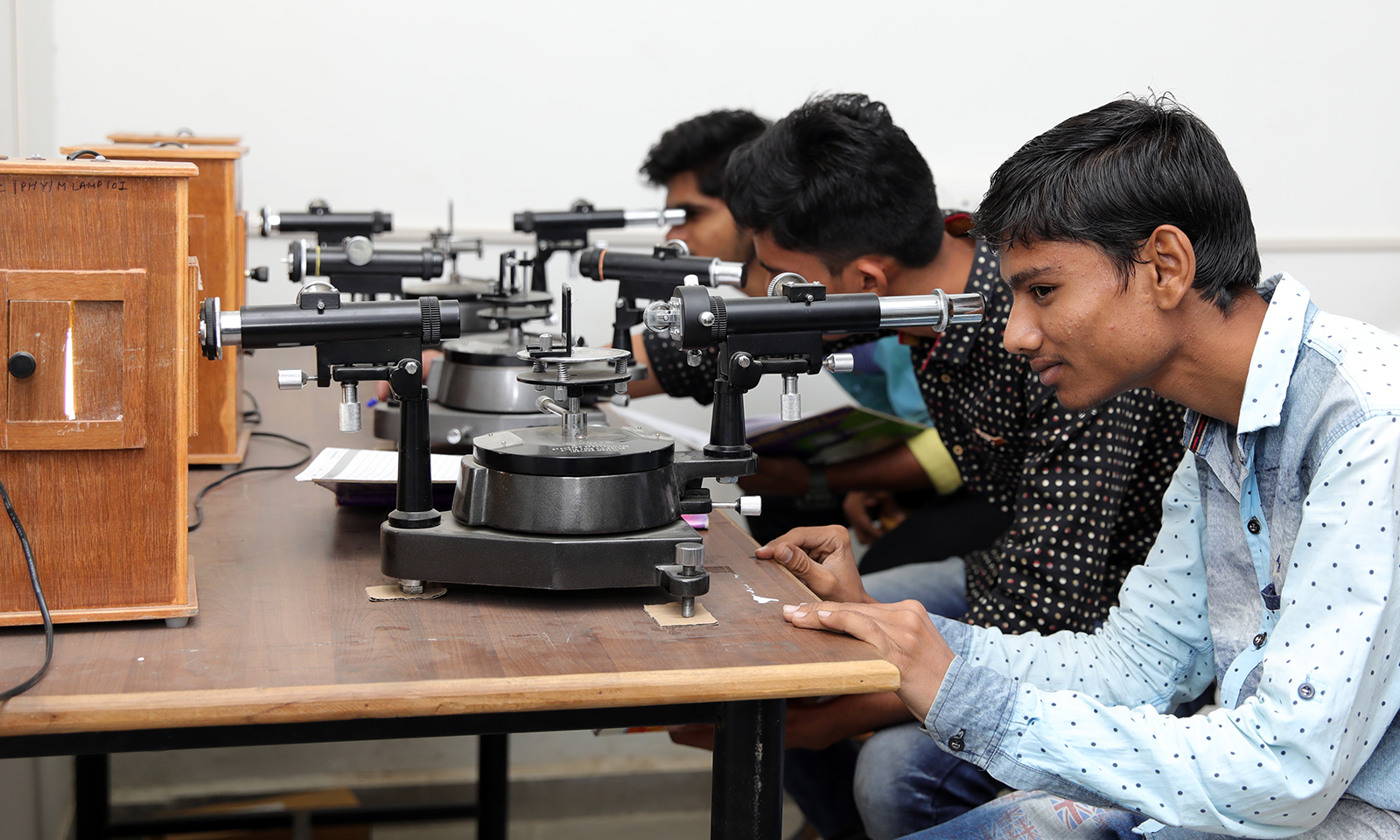
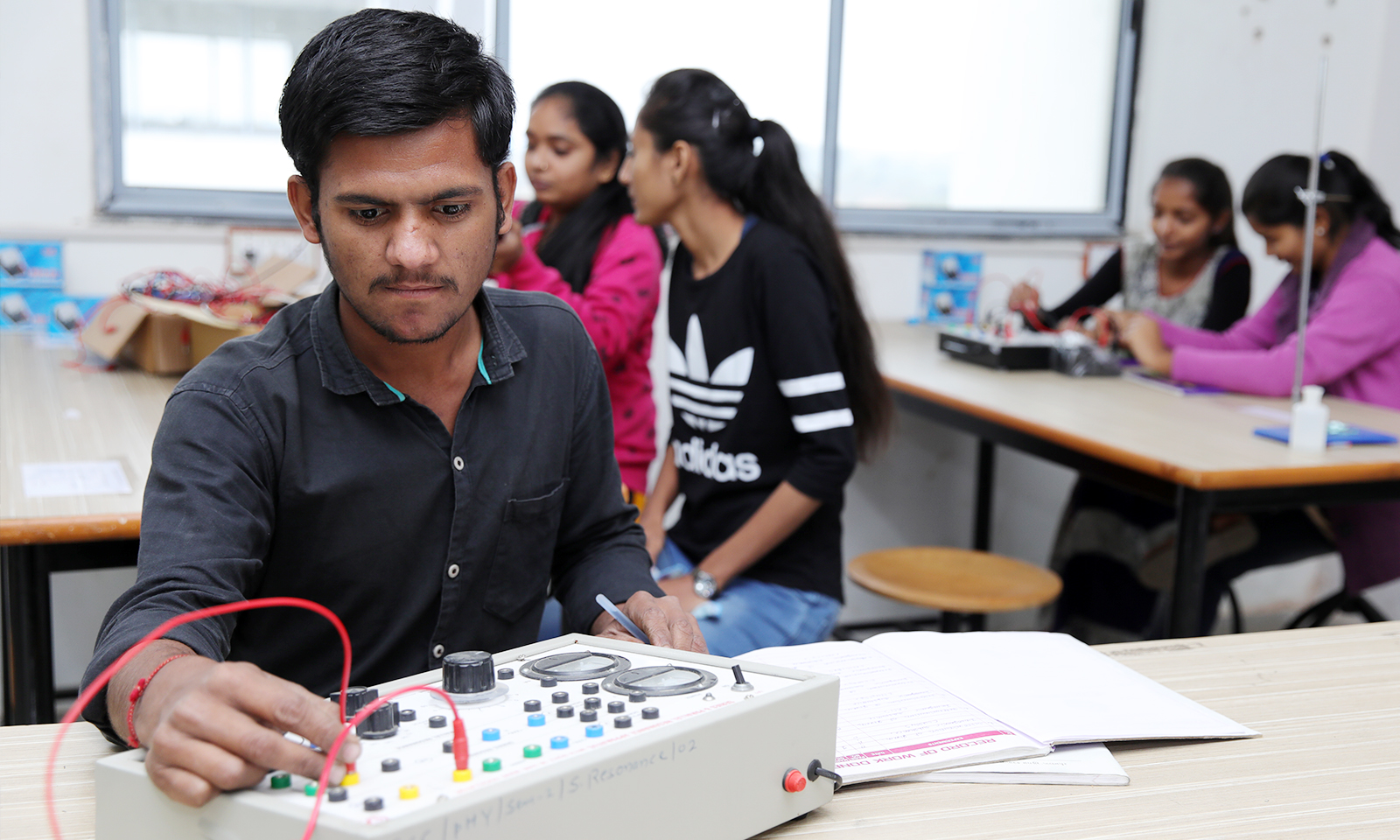
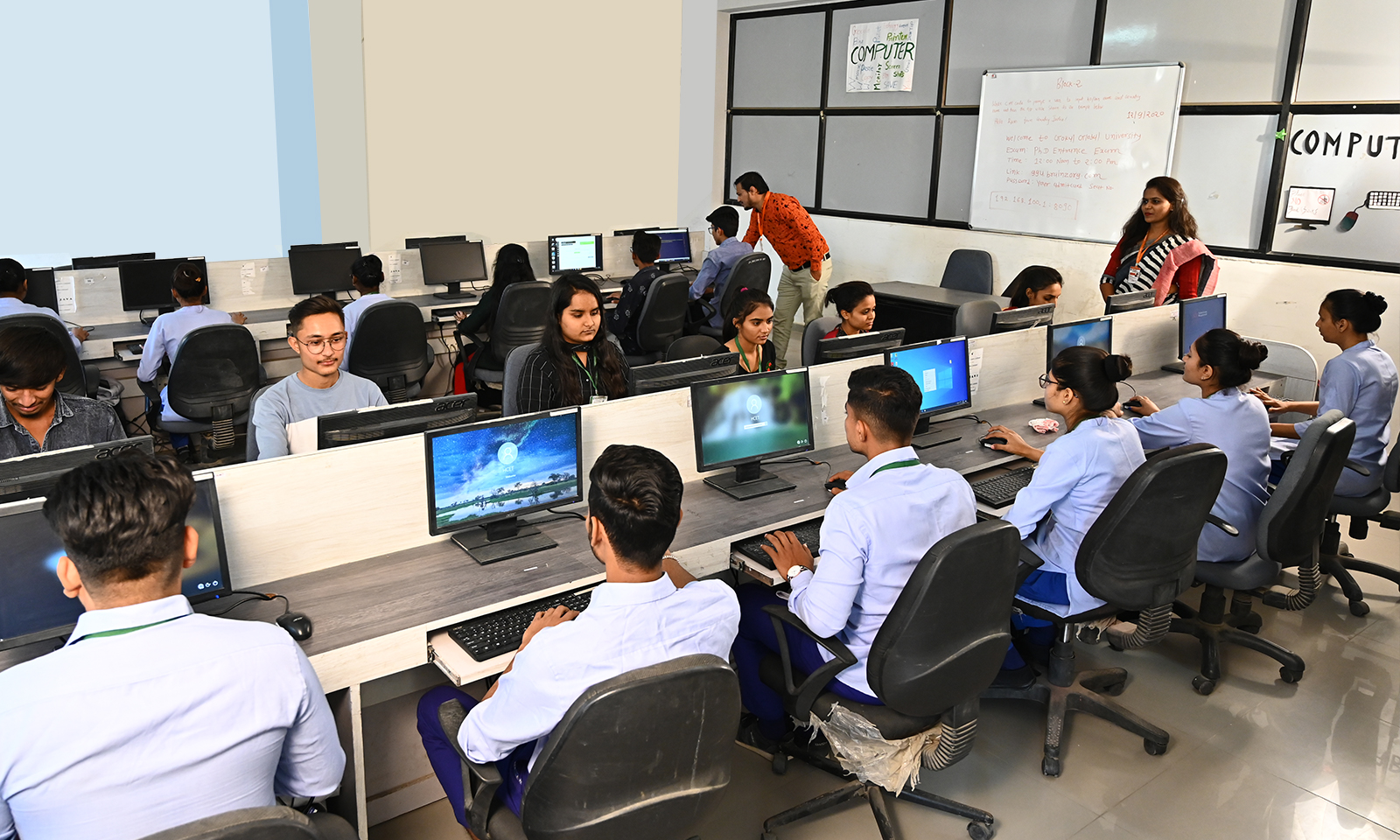
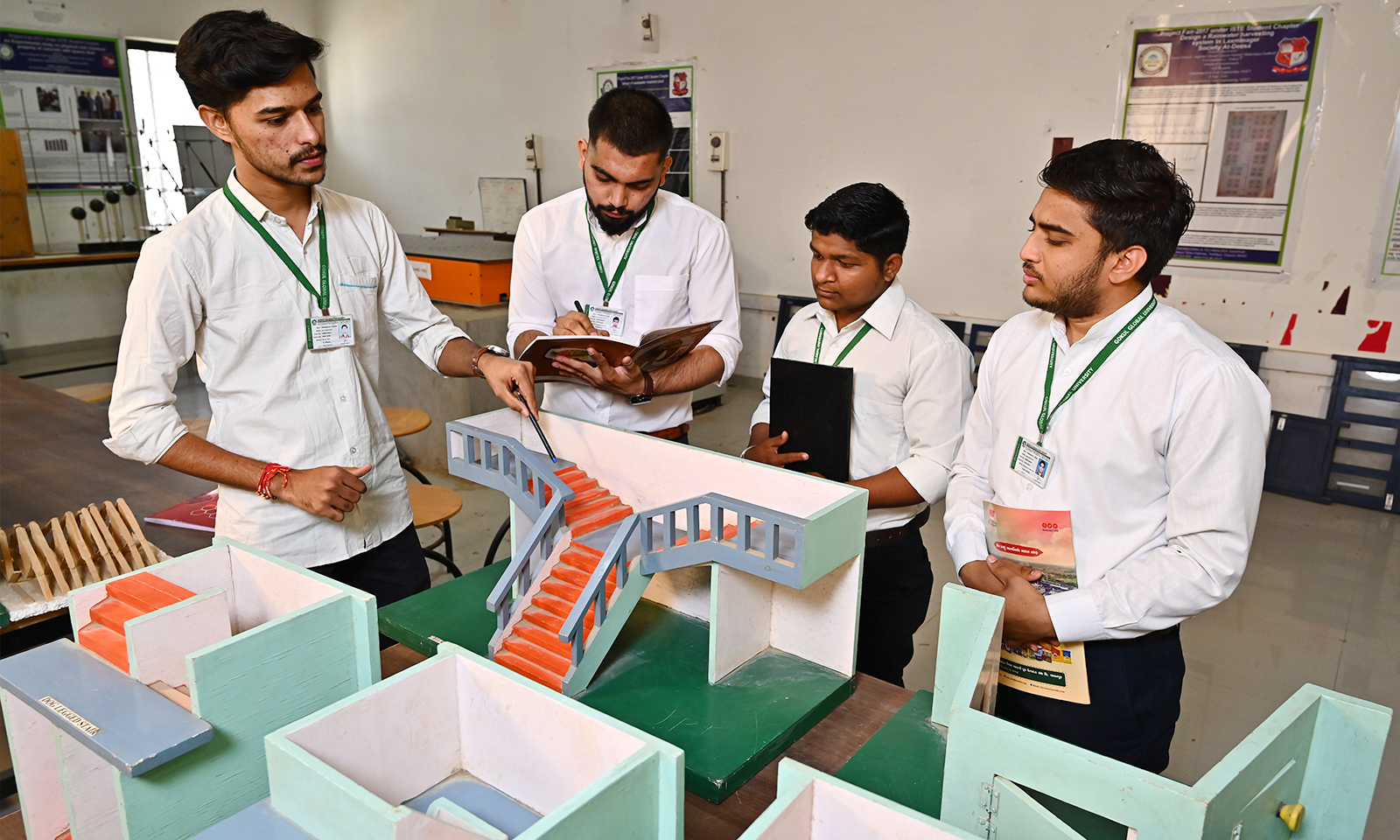
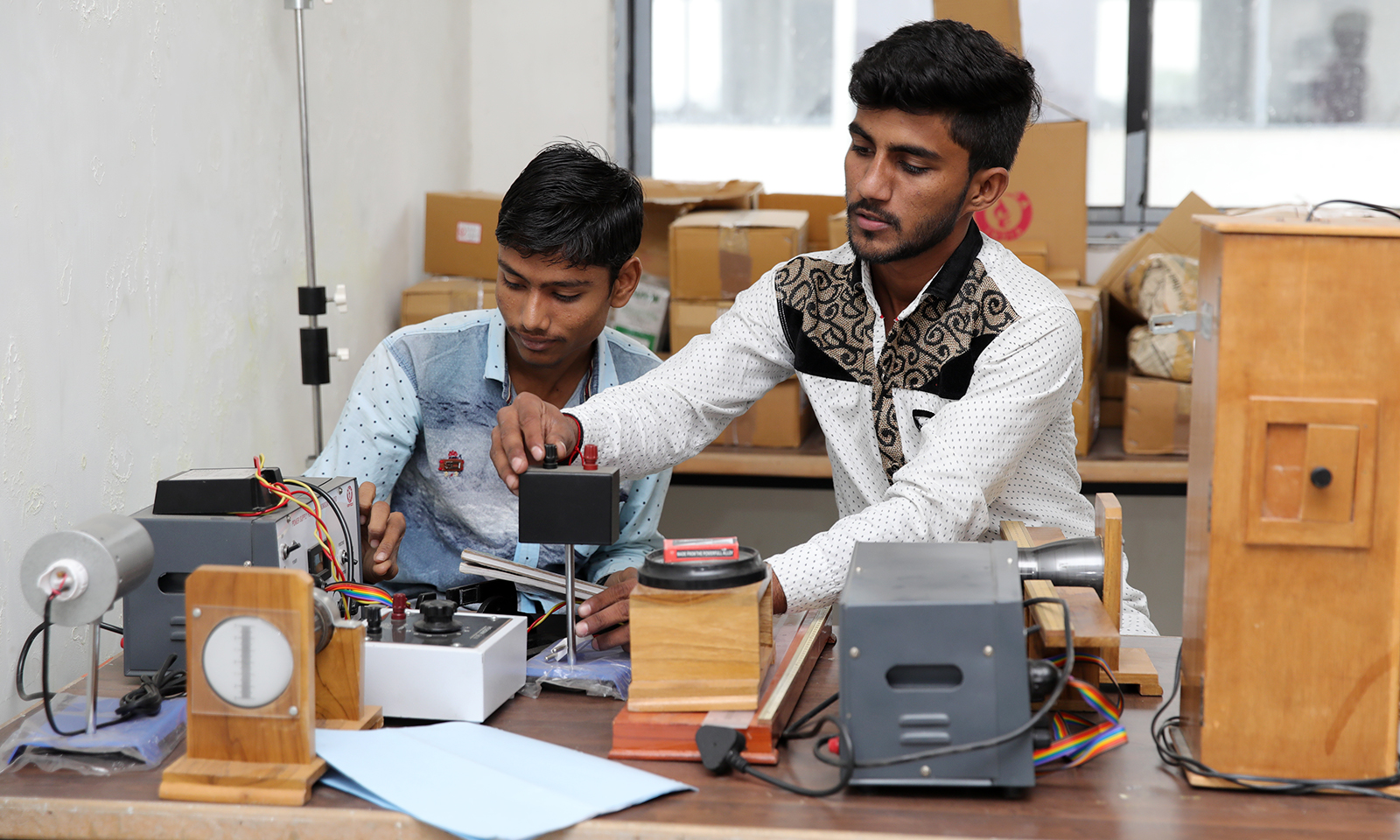
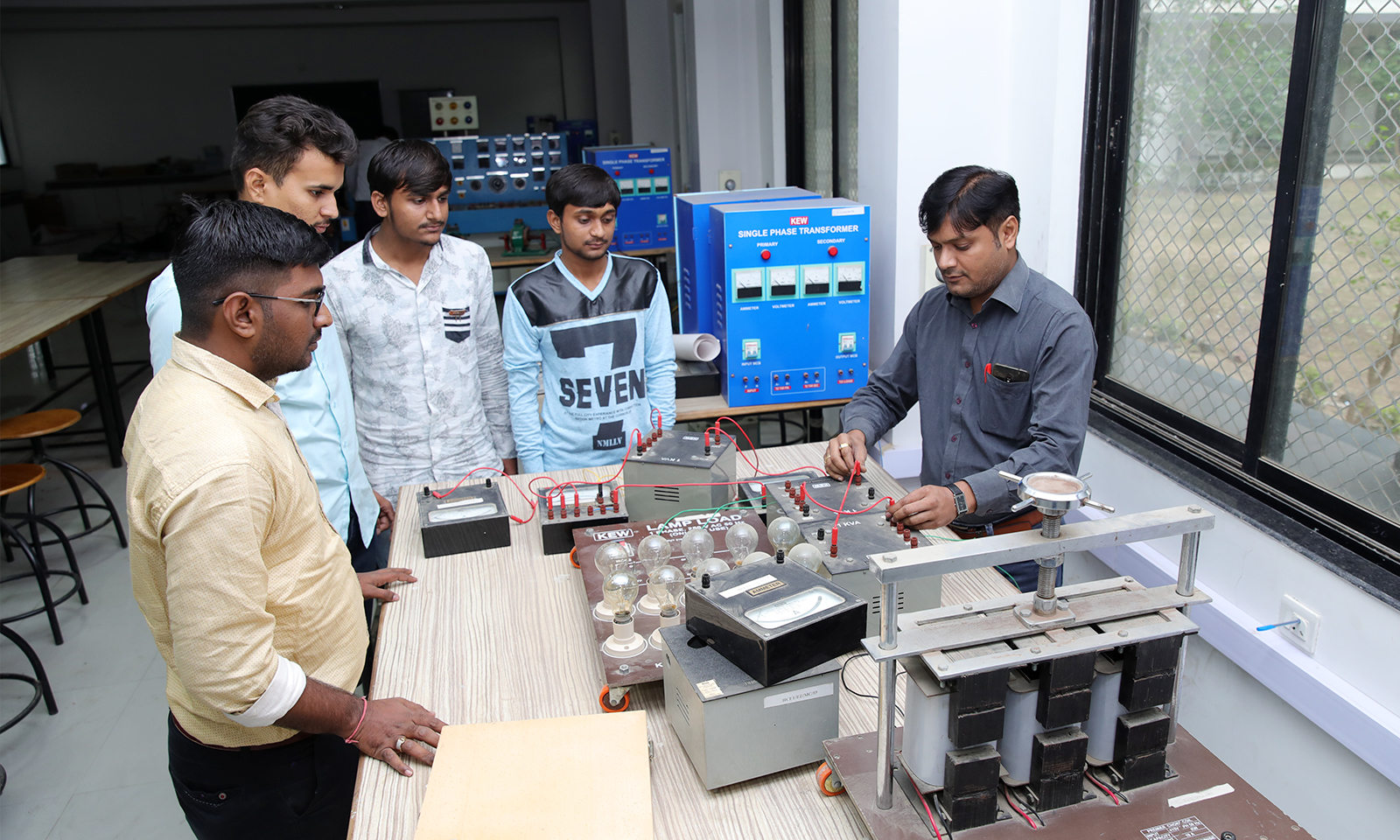
Laboratories



Activities
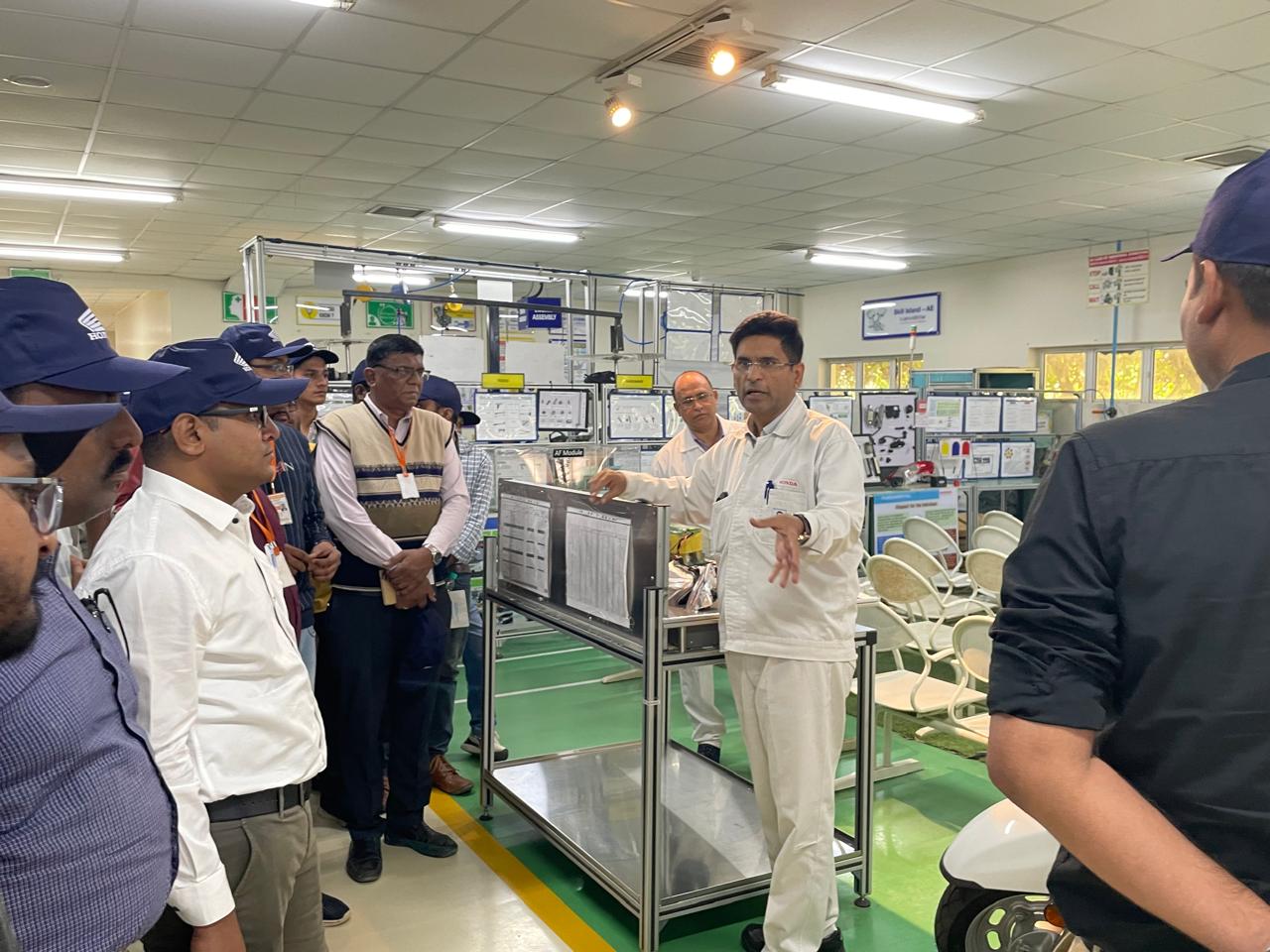
Event
26/11/2024
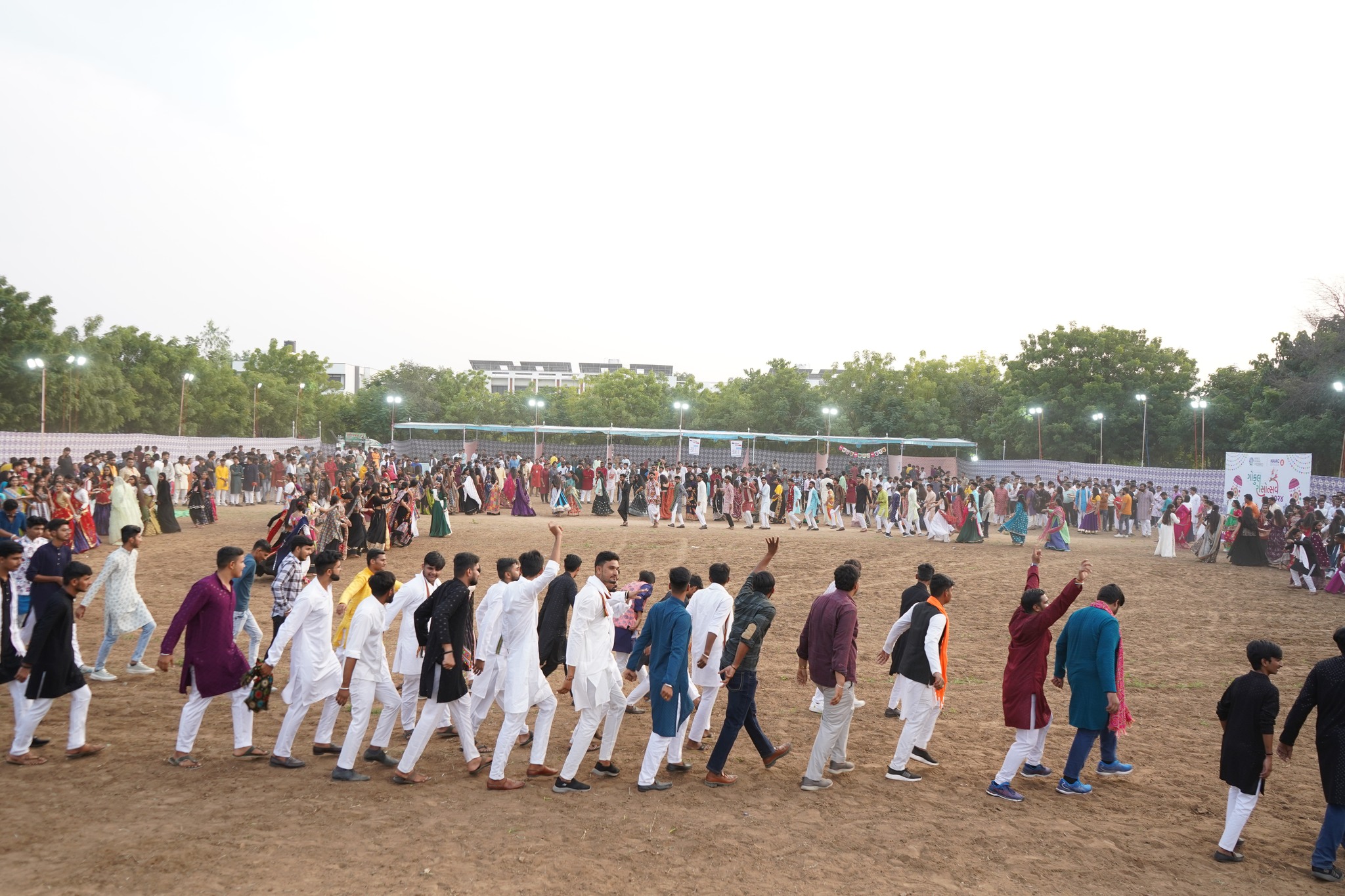
Event
18/10/2024
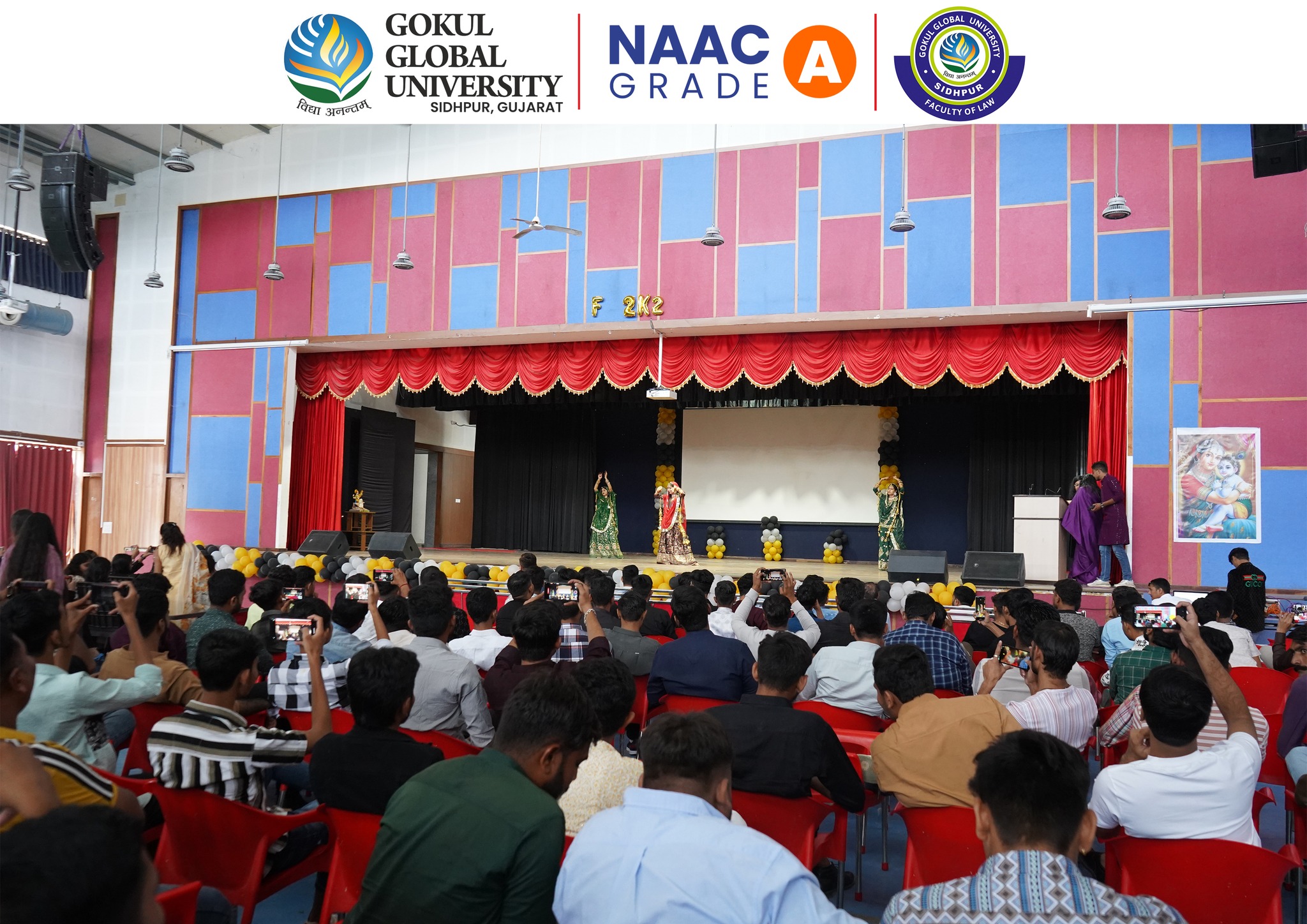
Event
21/10/2024
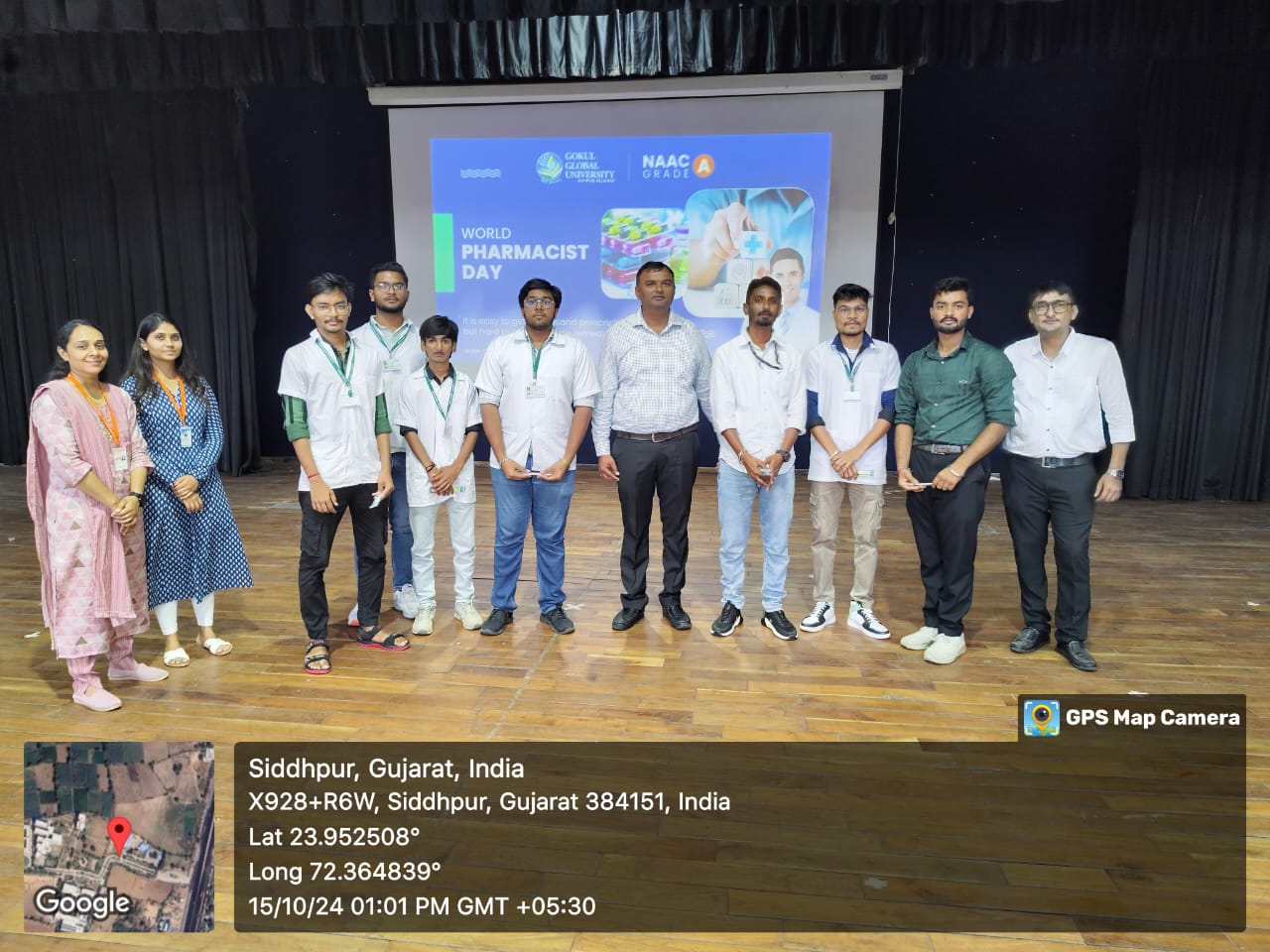
Event
15/10/2024
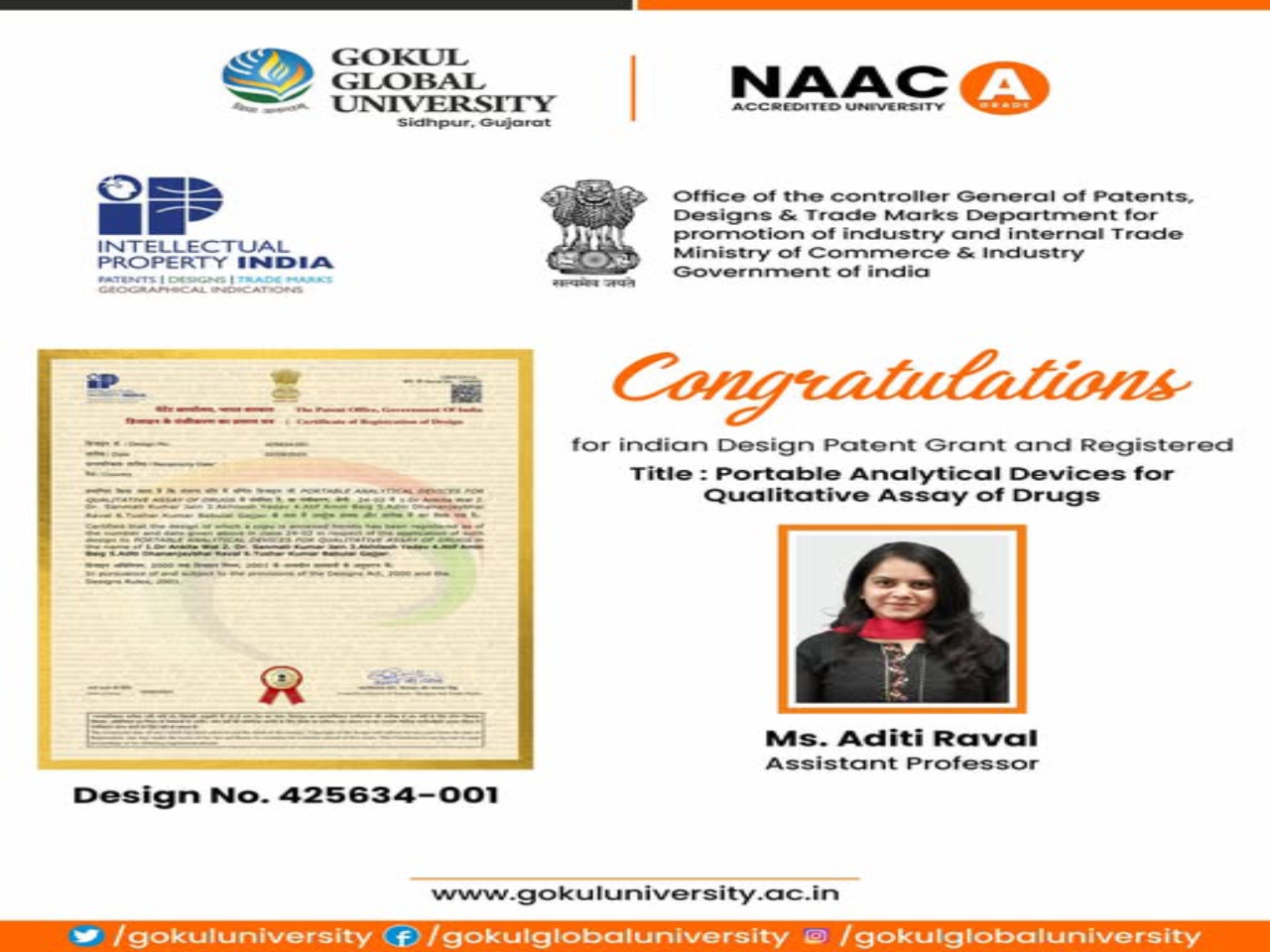
Achievement
17/10/2024
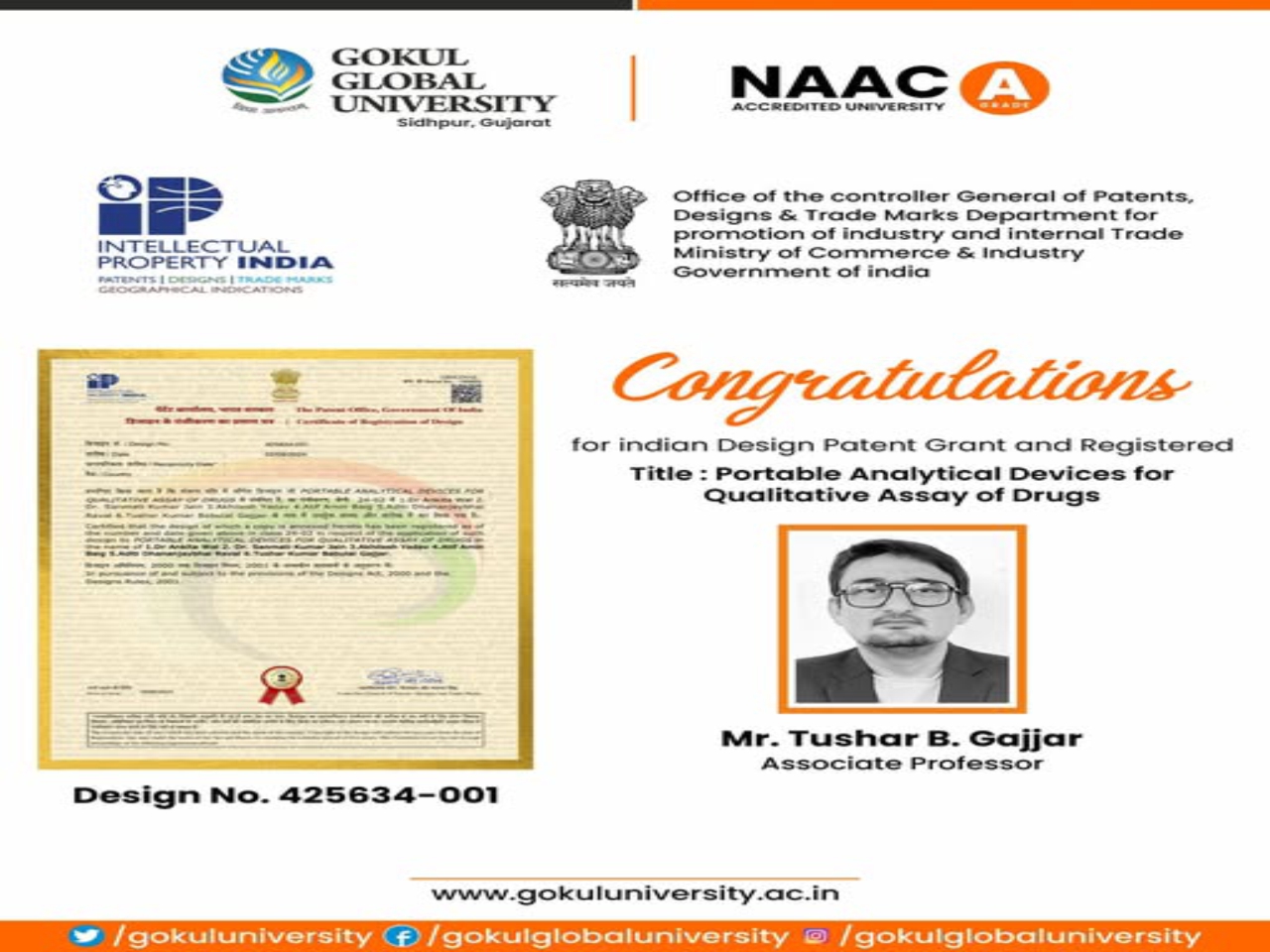
Achievement
16/10/2024
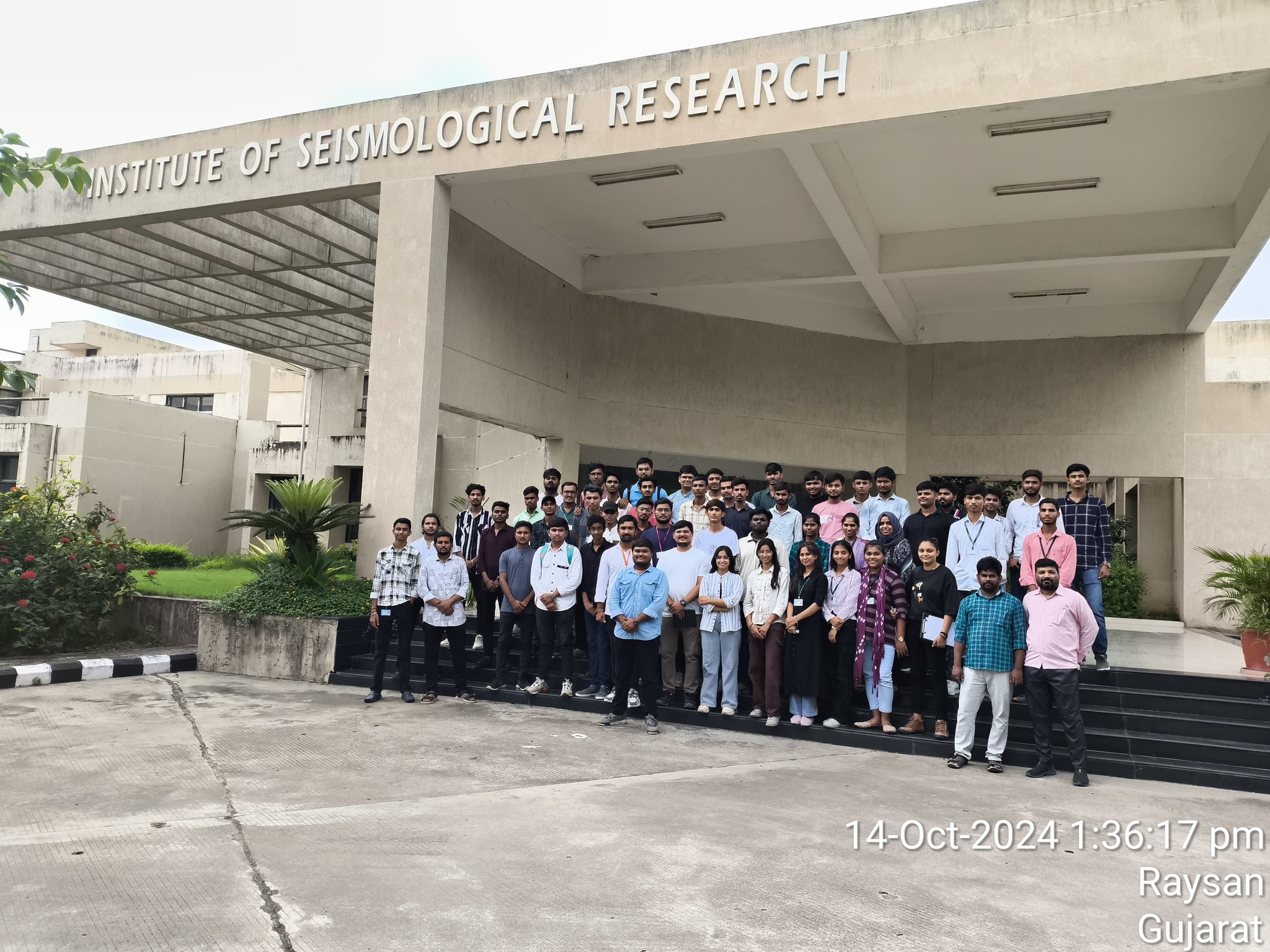
VISIT
15/10/2024
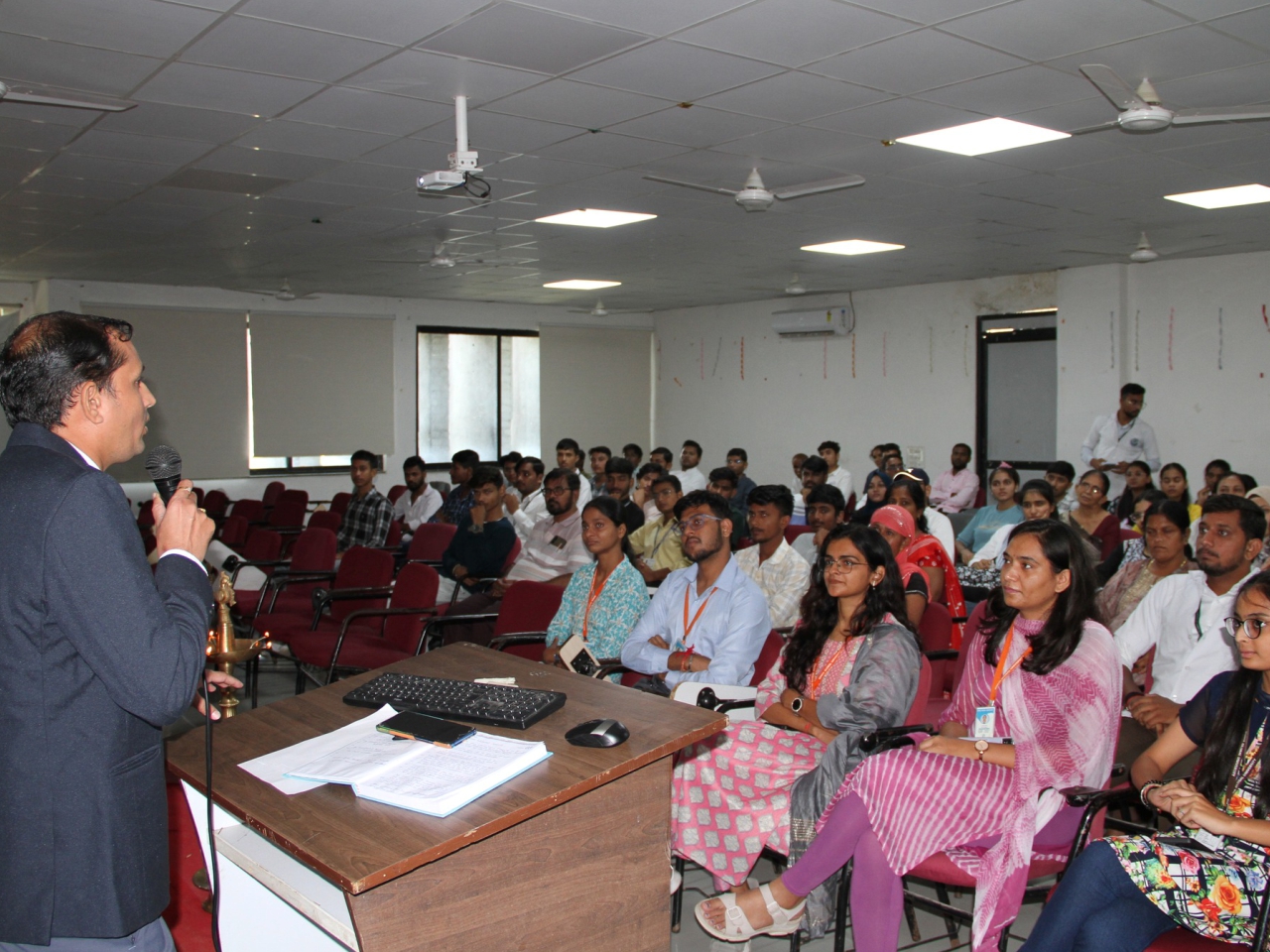
Event
10/10/2024
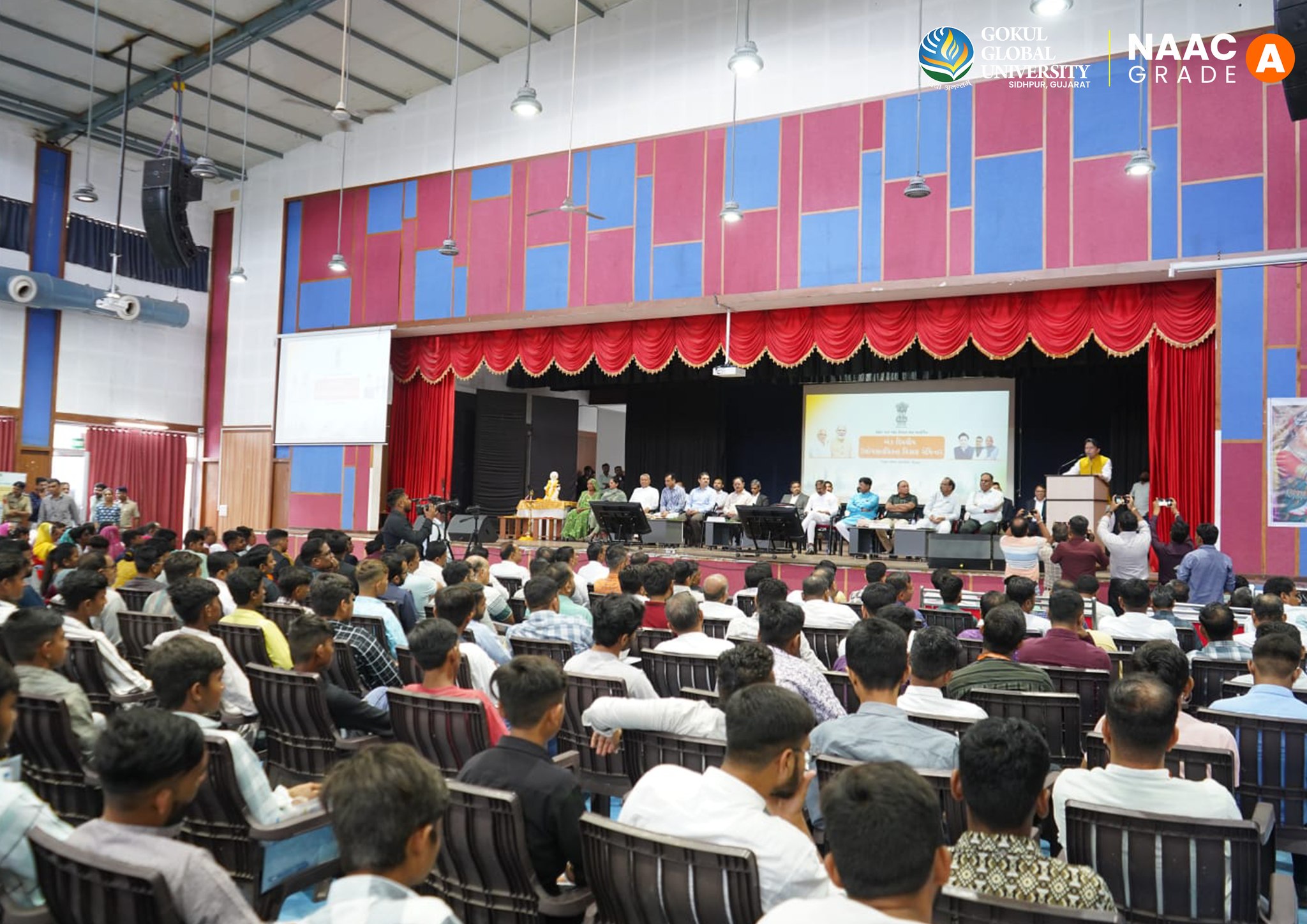
Seminar
05/10/2024
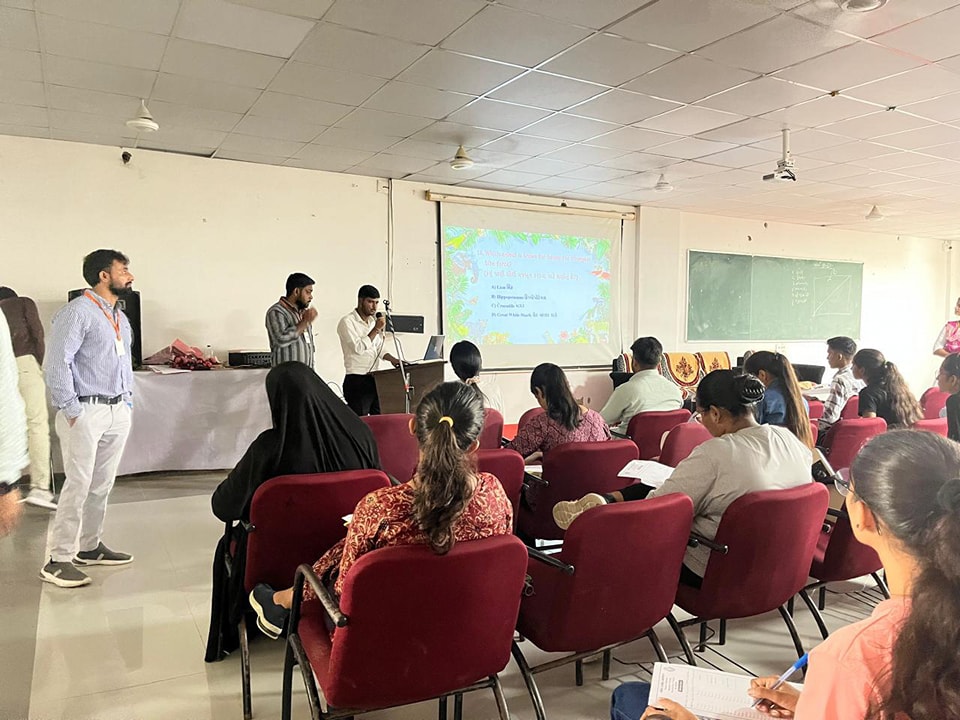
Seminar
4/10/2024
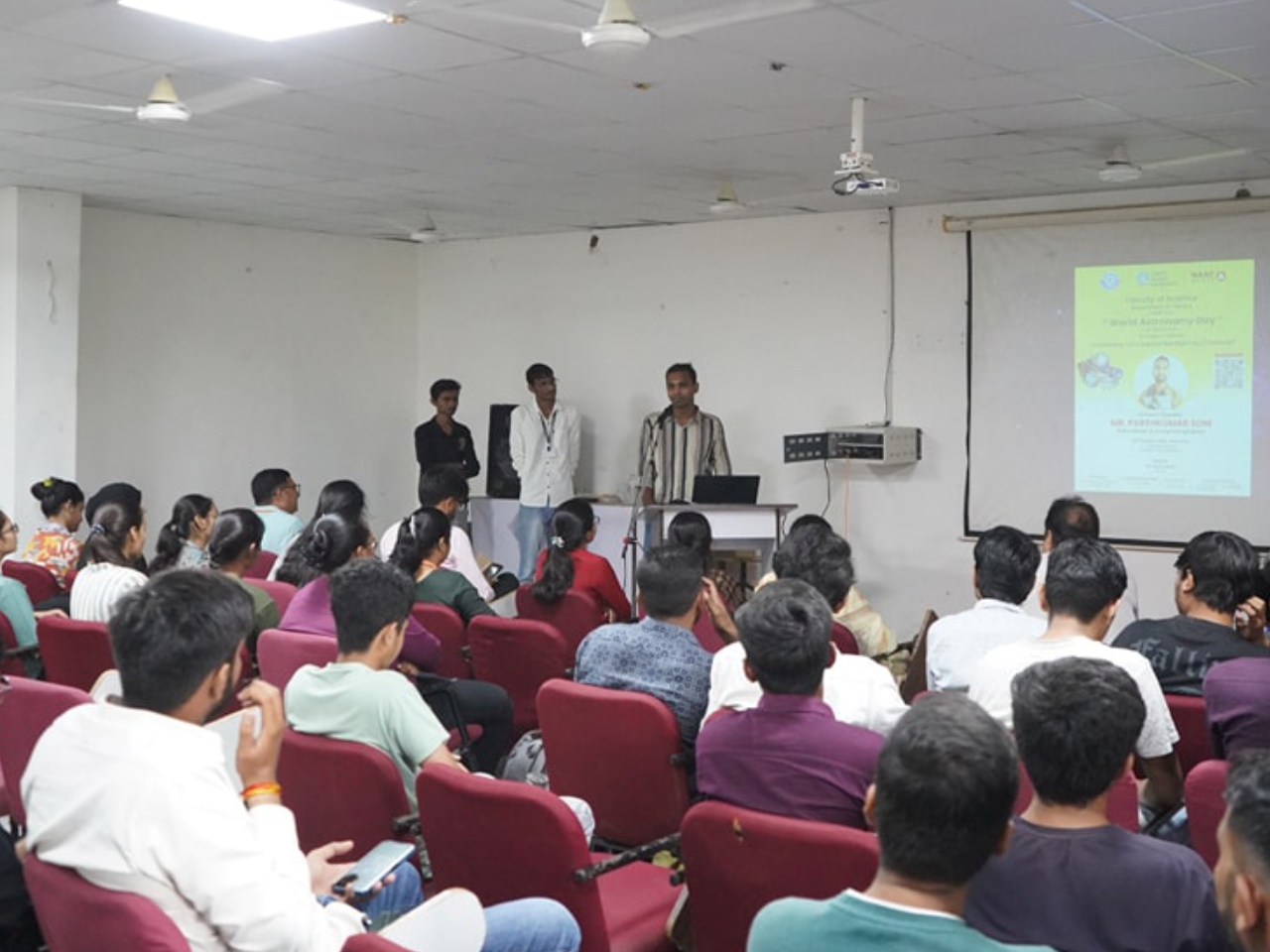
Seminar
03/10/2024
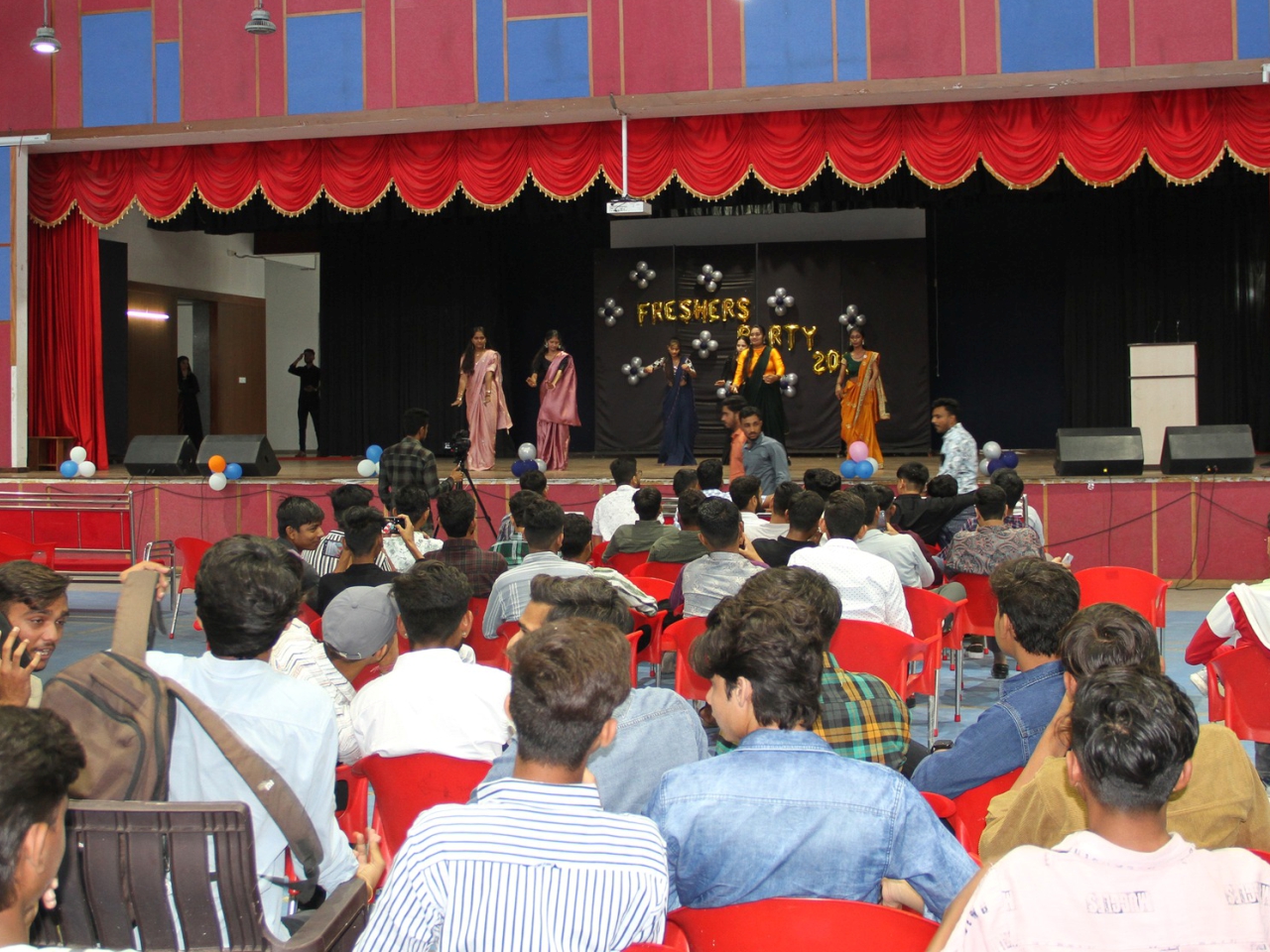
Freshers
03/10/2024
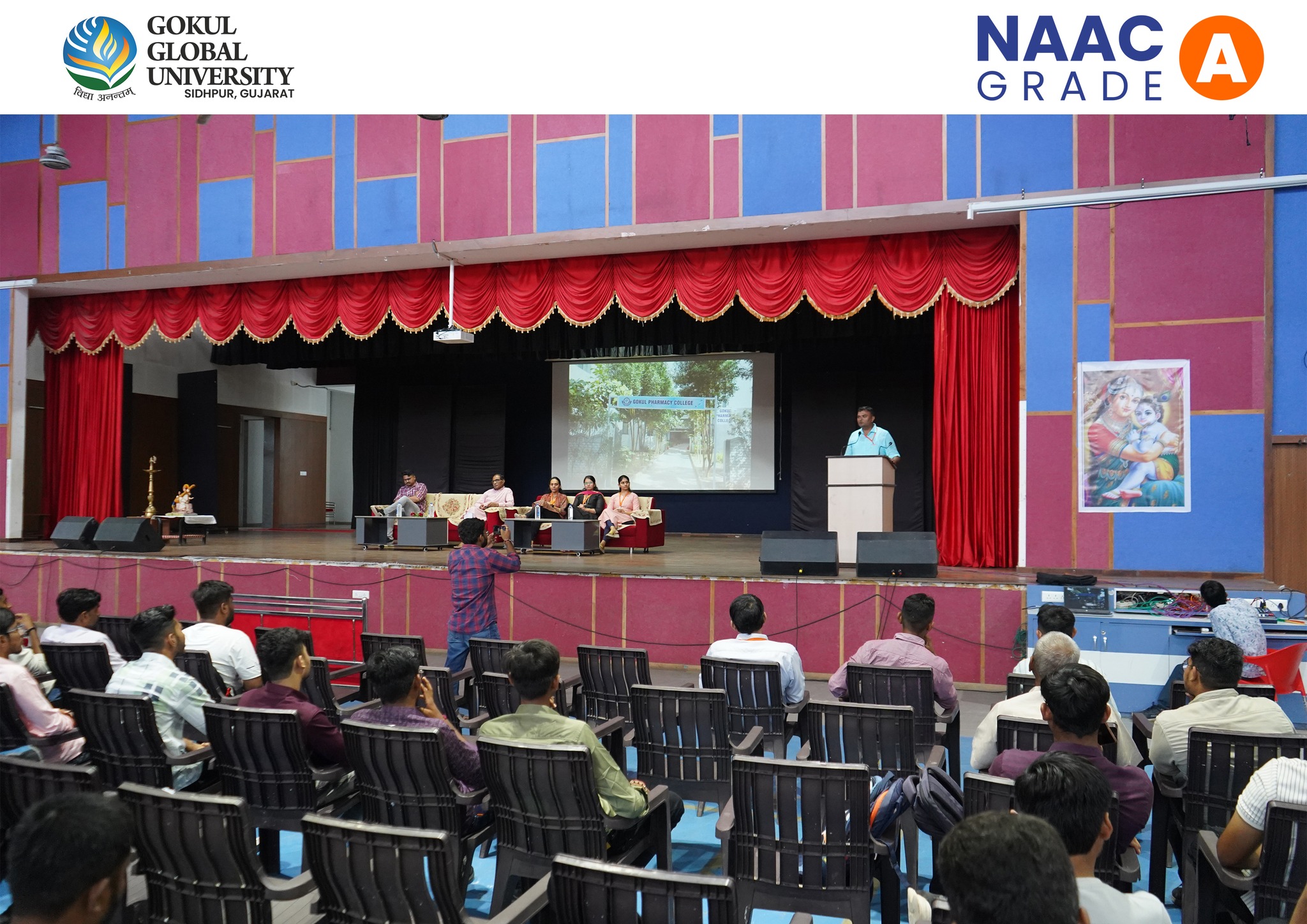
Seminar
03/10/2024
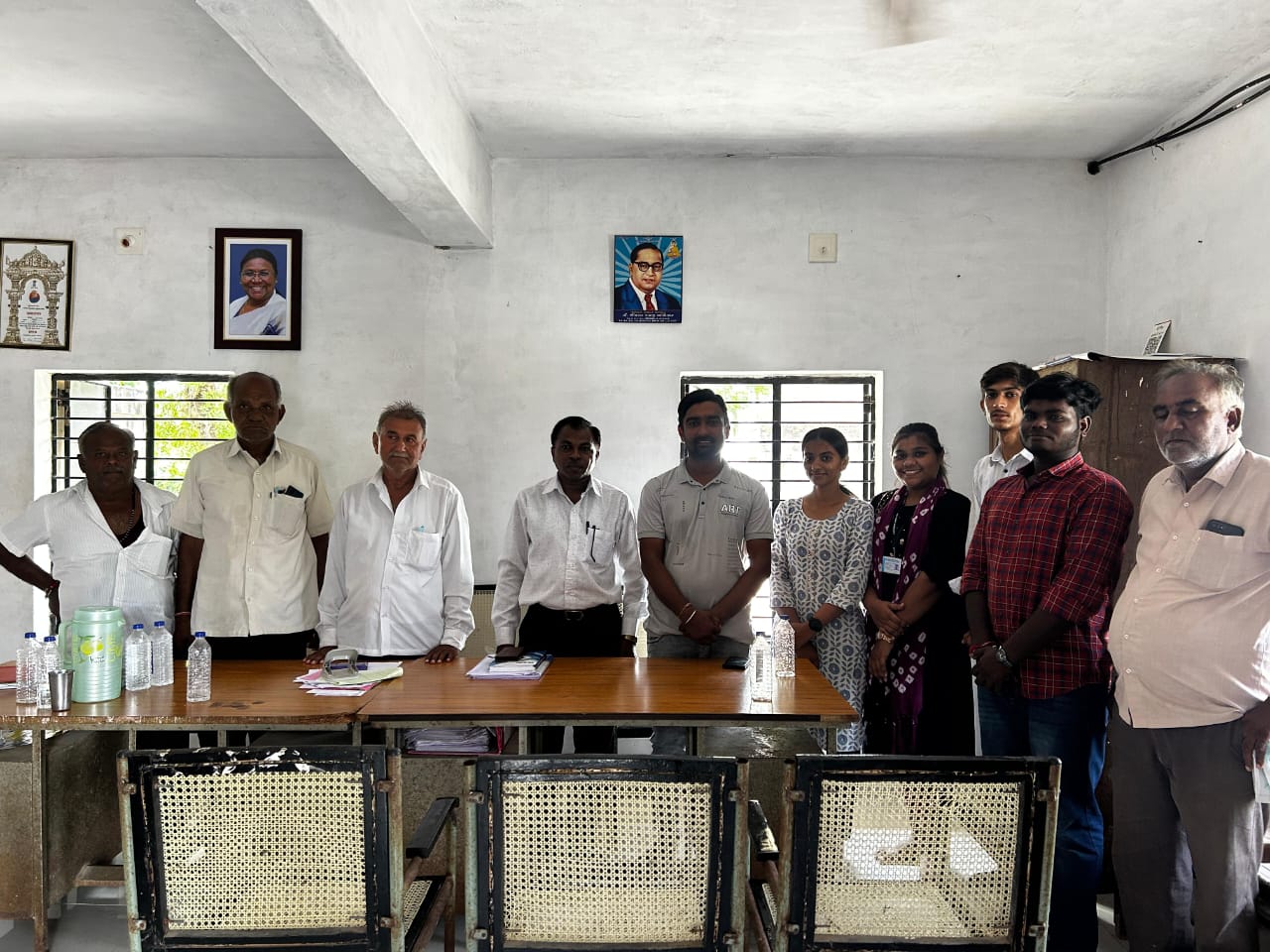
Village visit
02/10/2024
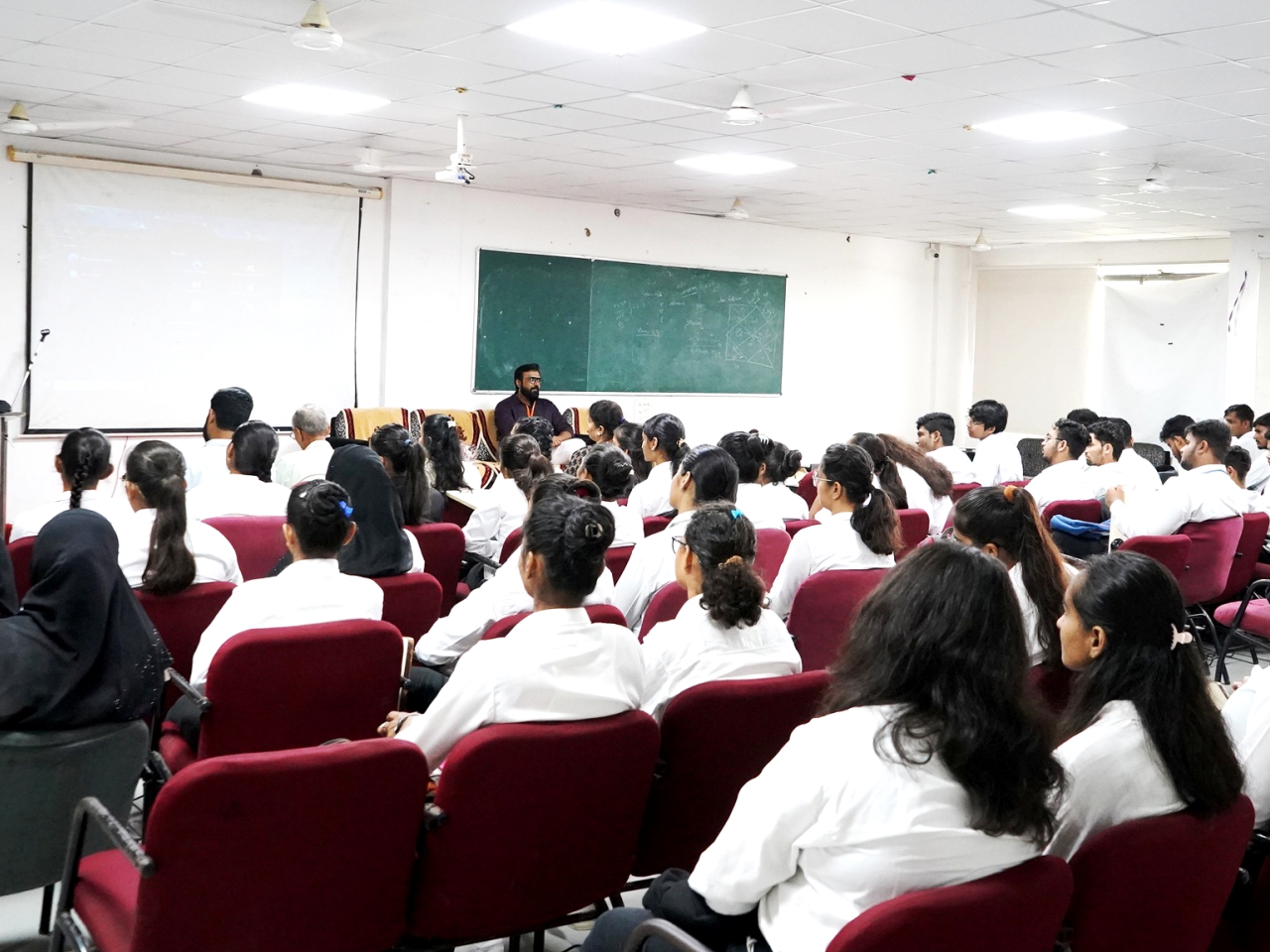
Seminar
28/09/2024
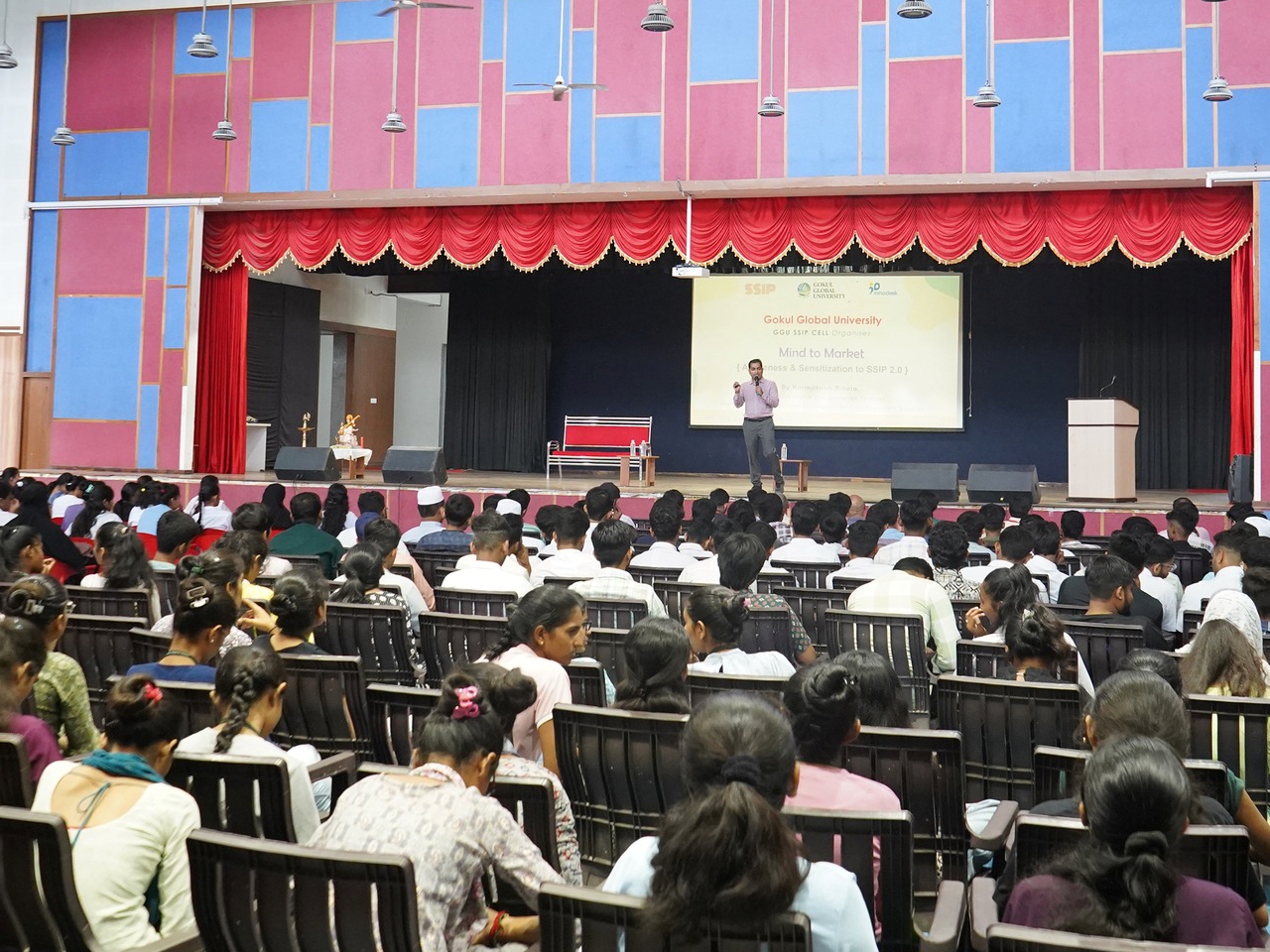
seminar
23/09/2024
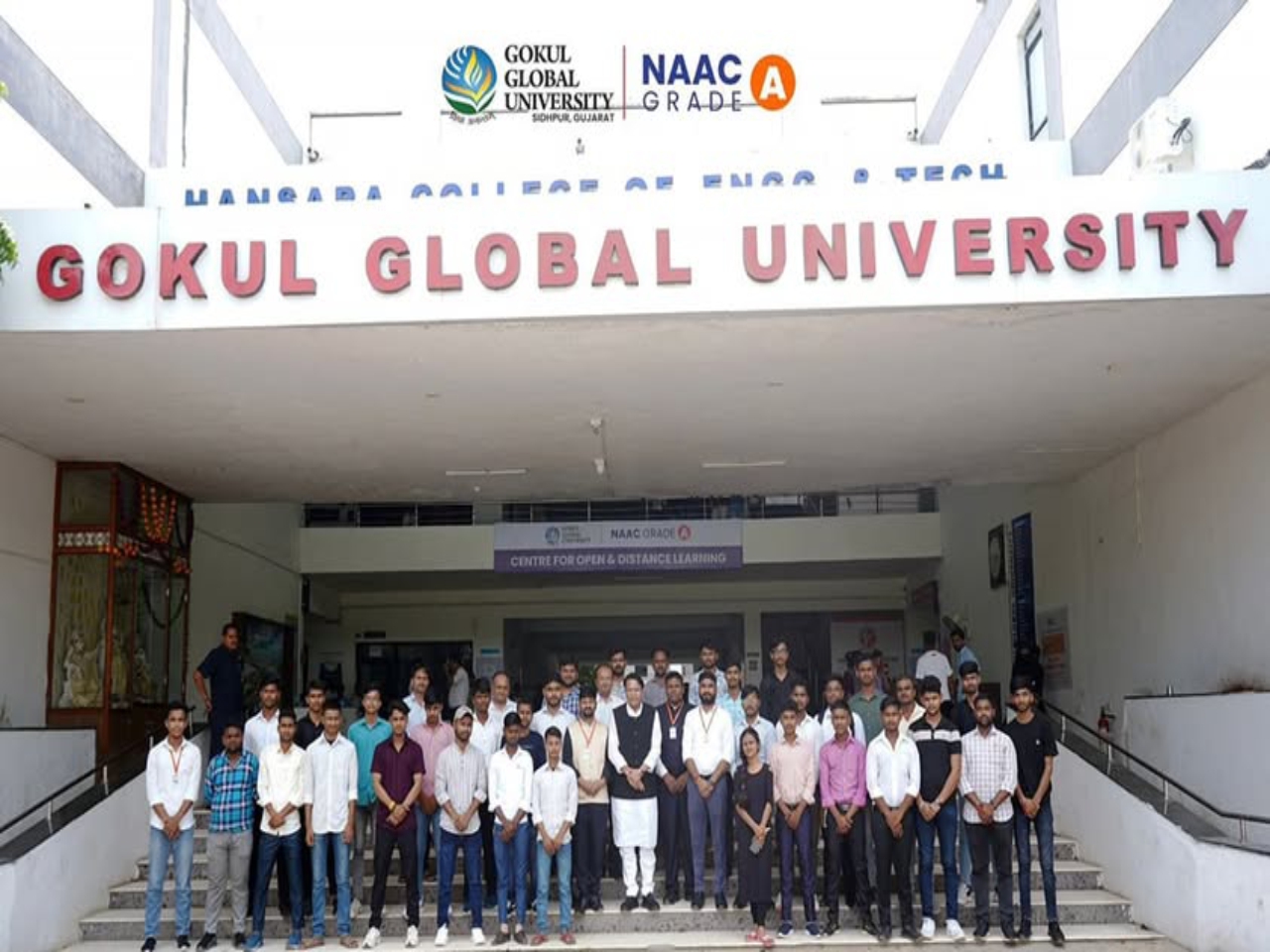
Event Of Welcomimg
21/09/2024
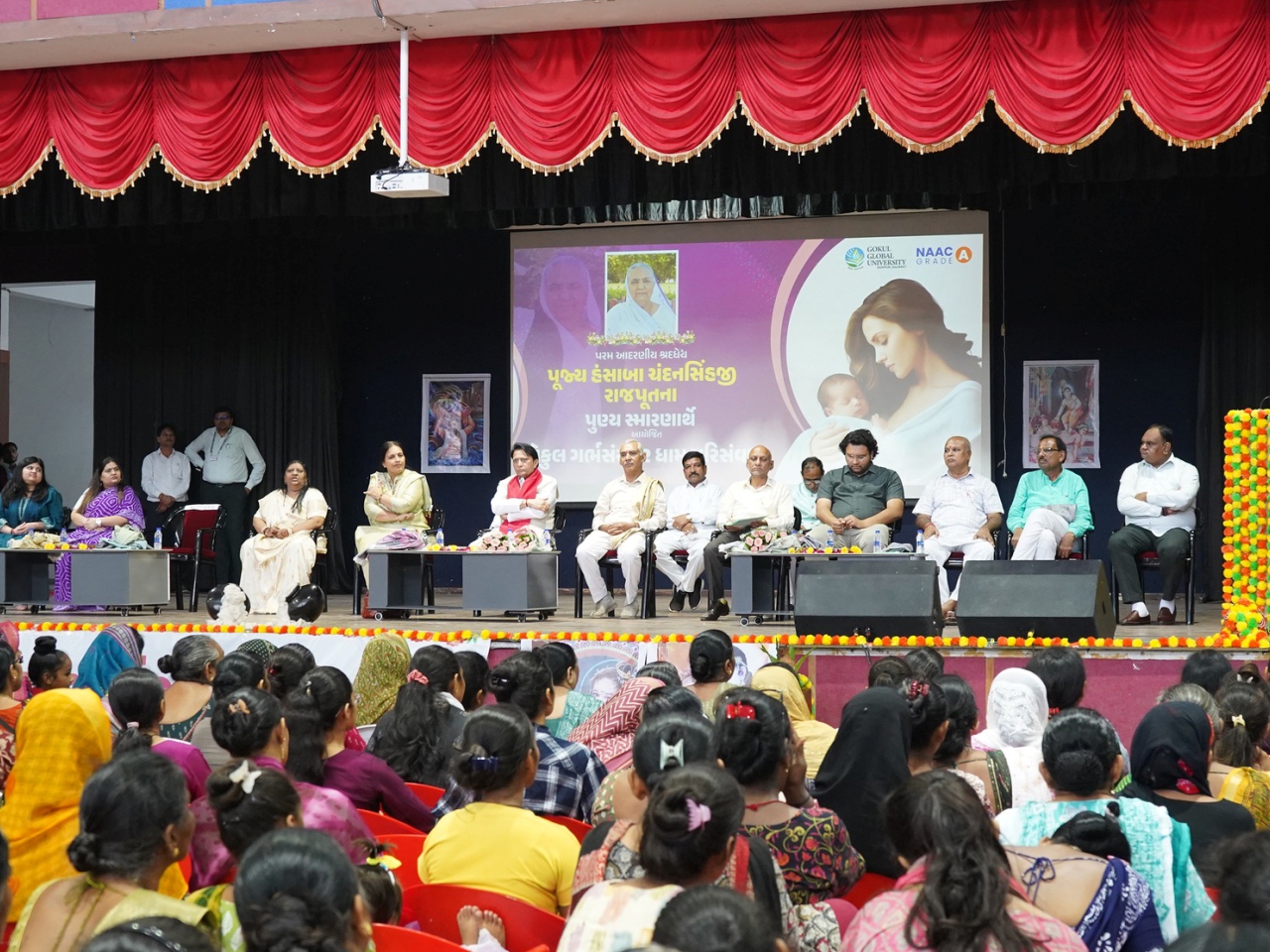
Seminar
18/09/2024
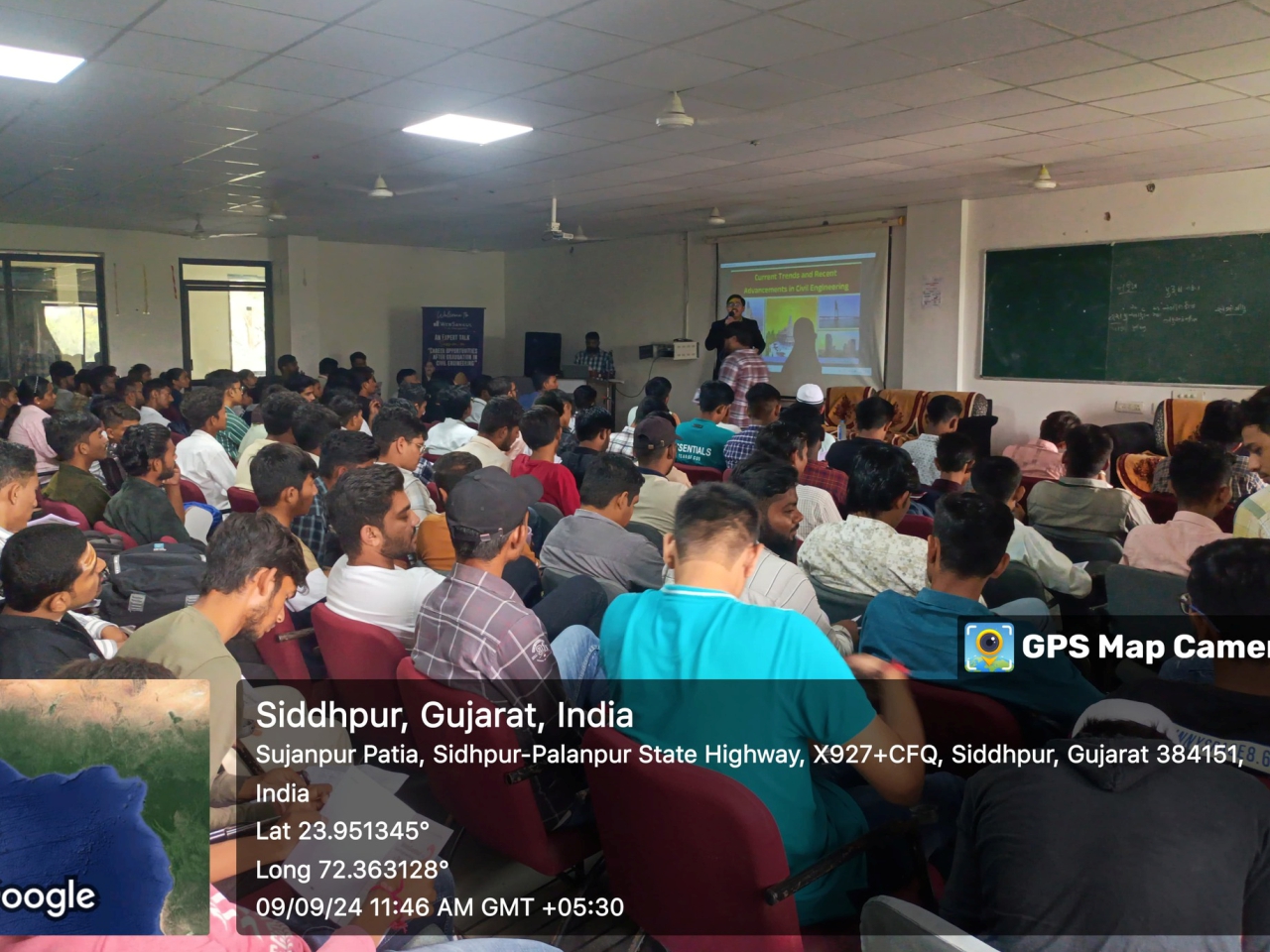
seminar
10/09/2024
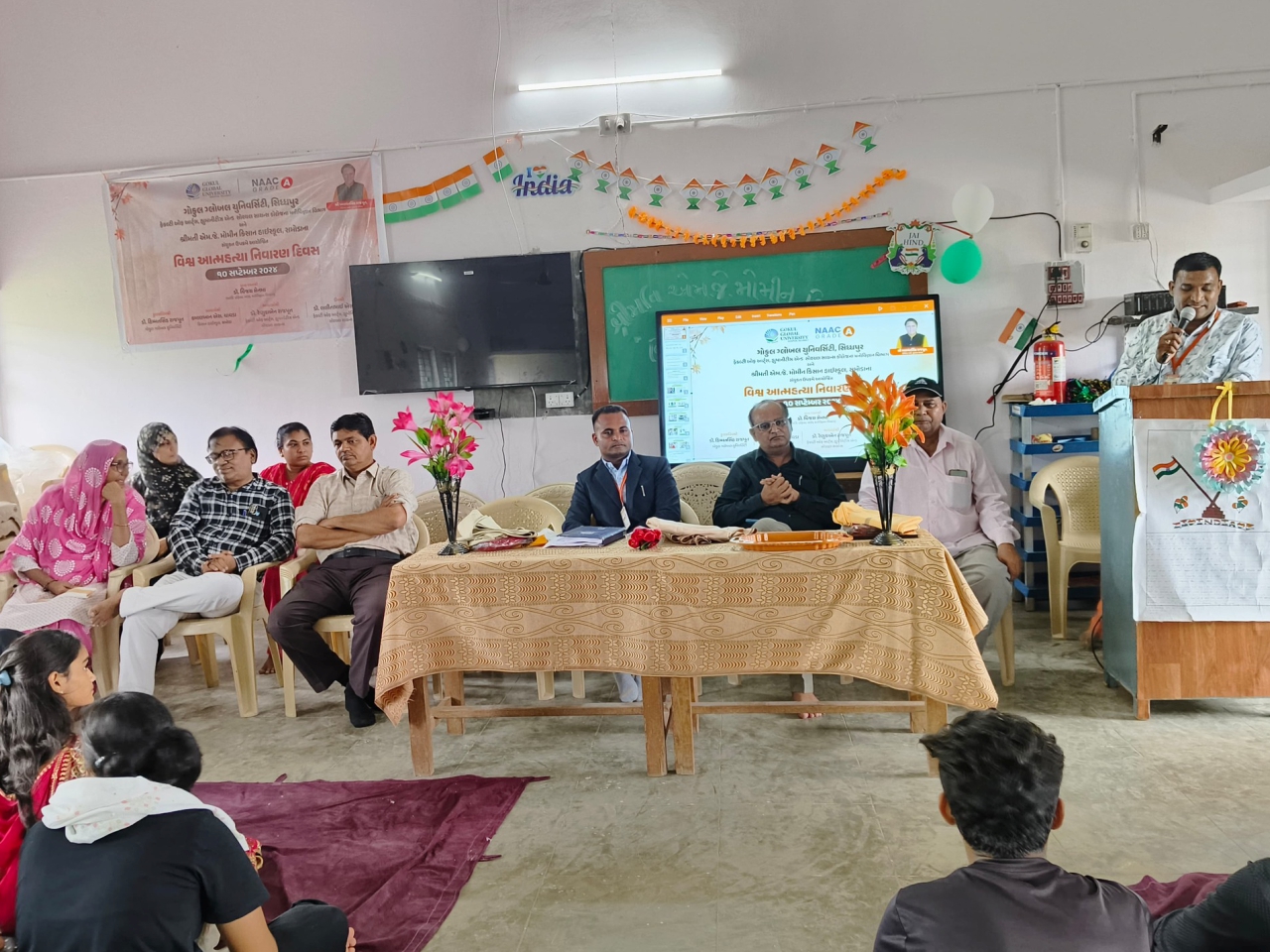
seminar
10/09/2024
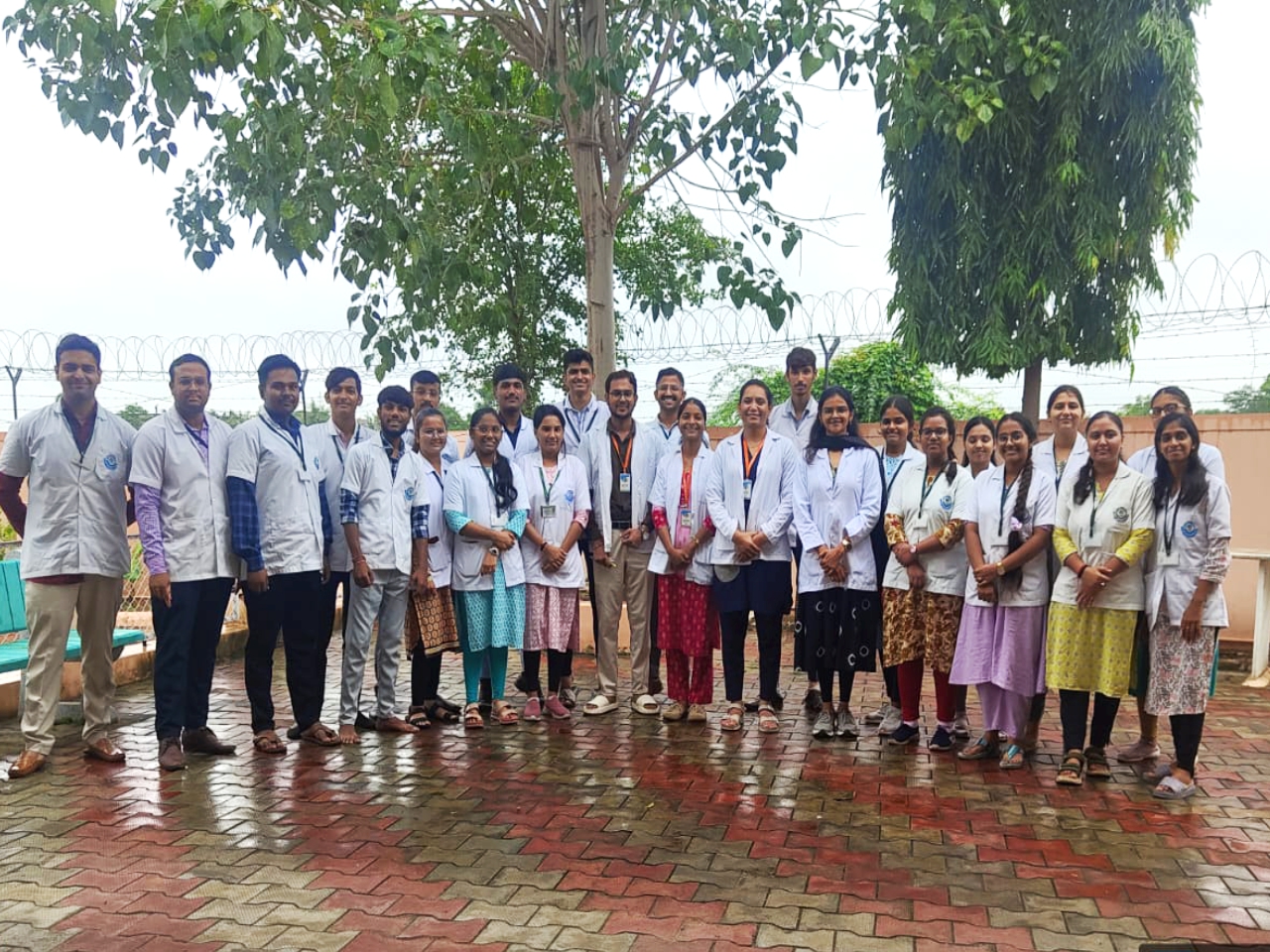
seminar
10/09/2024
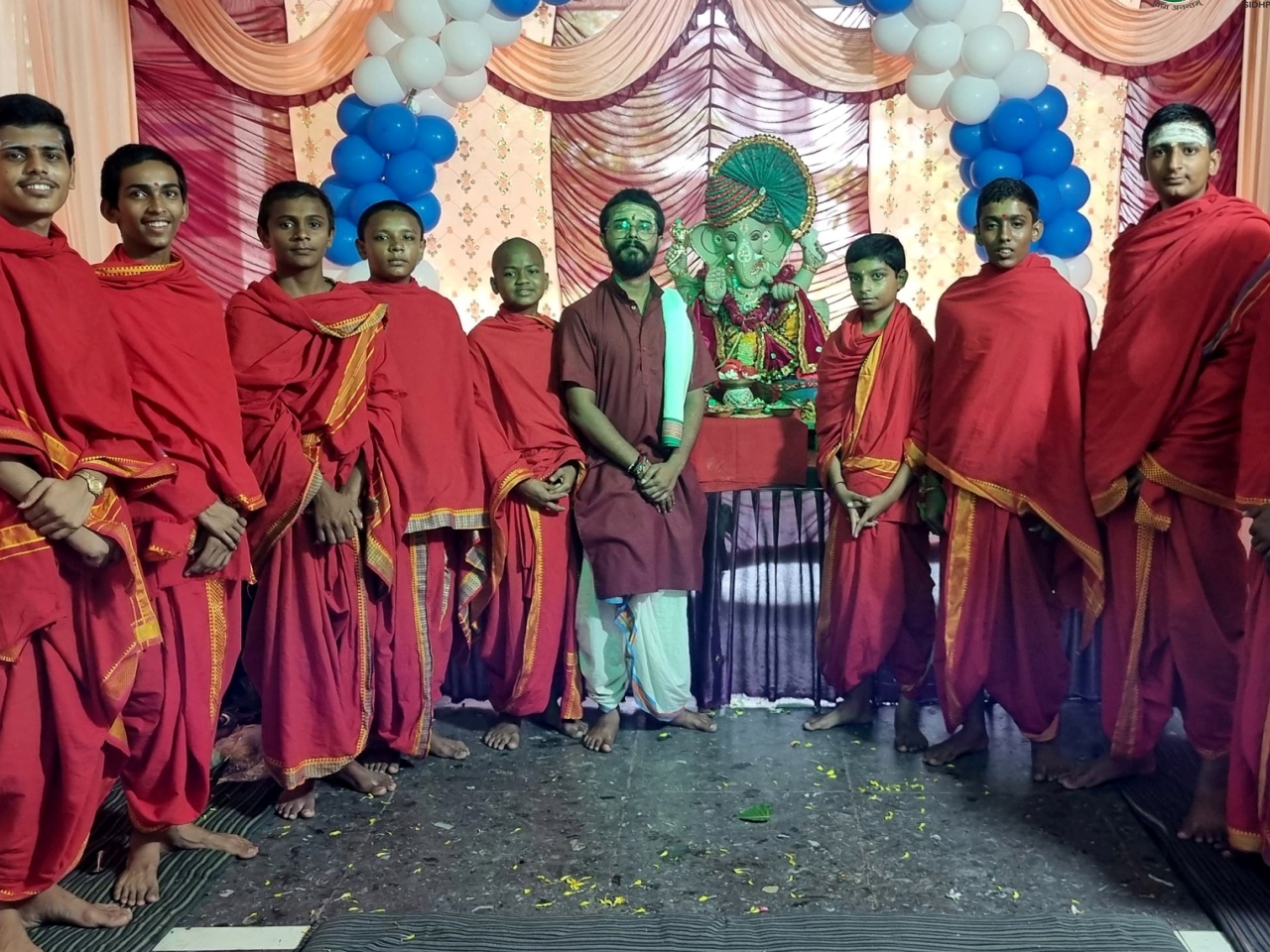
celebration
07/09/204
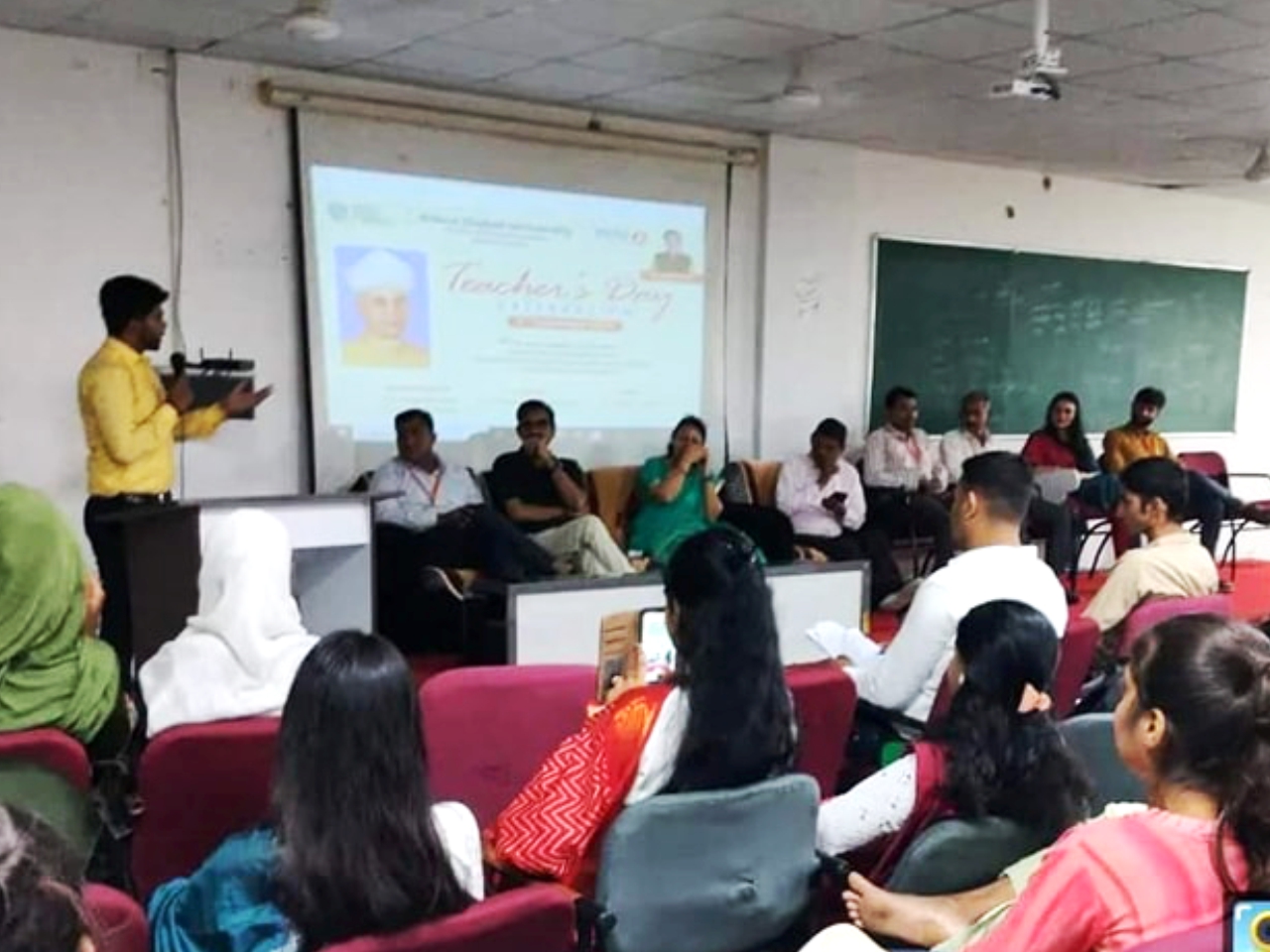
Celebration
05/09/2024
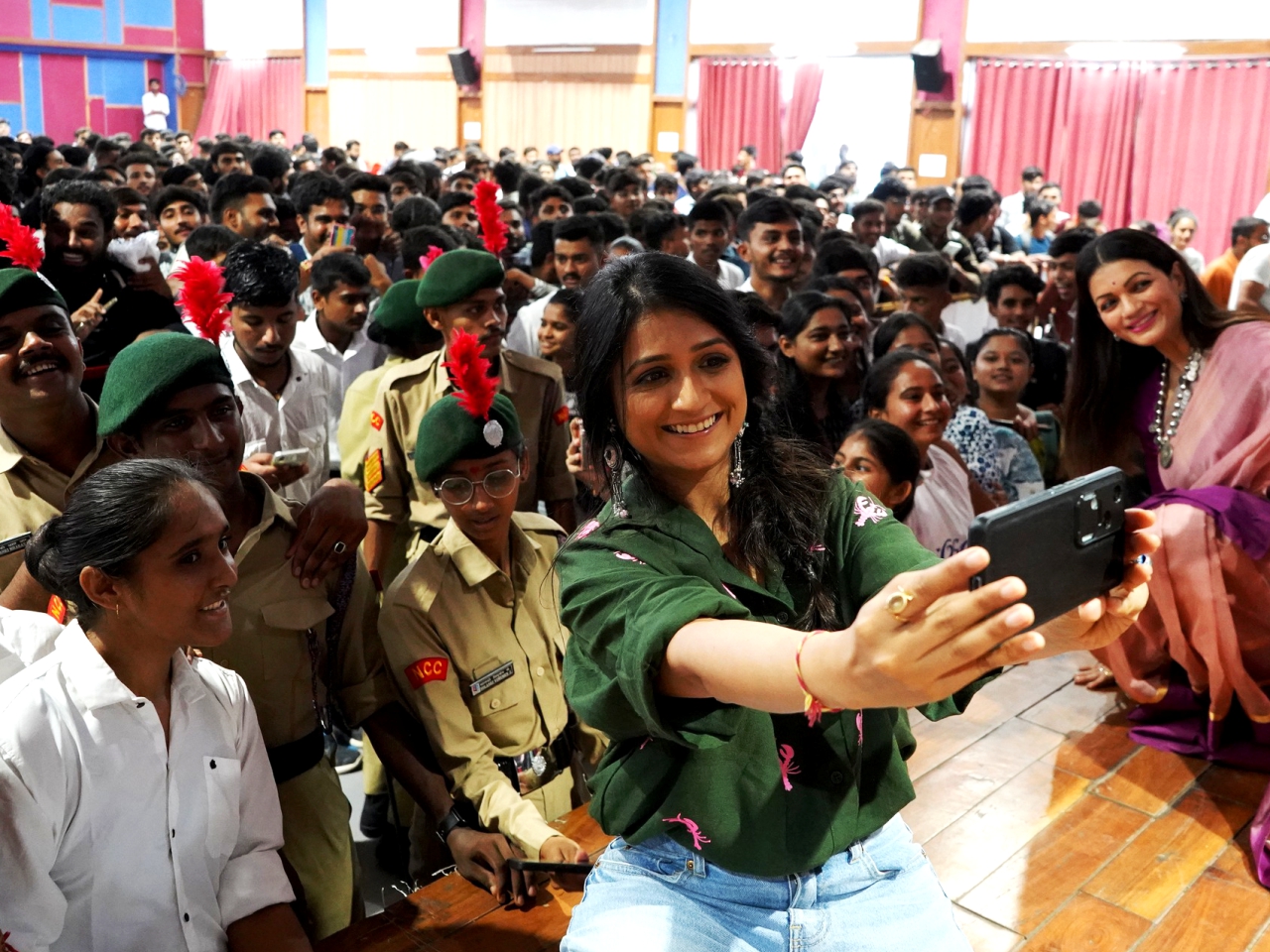
Event
02/09/2024
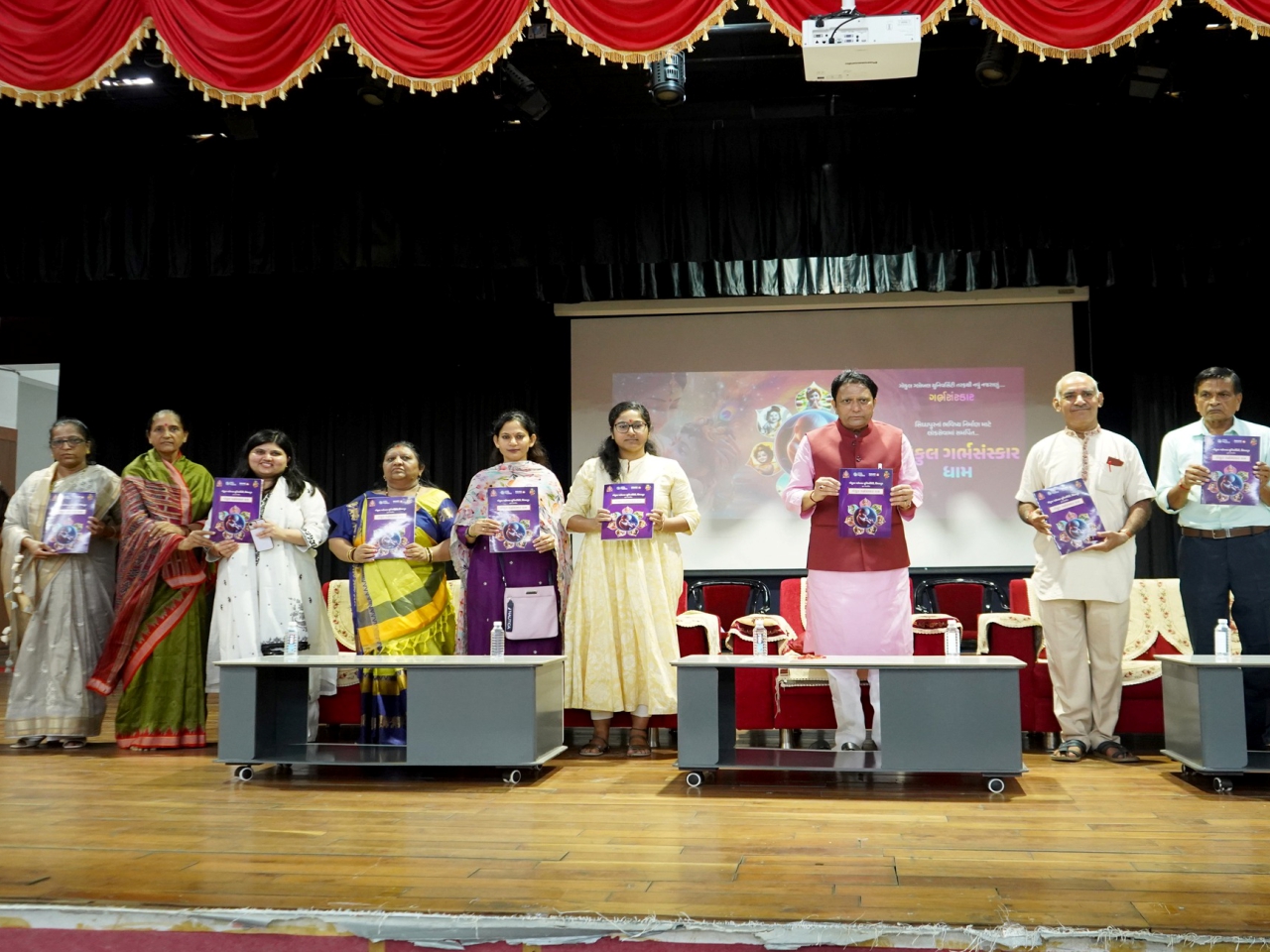
Event
26/08/2024
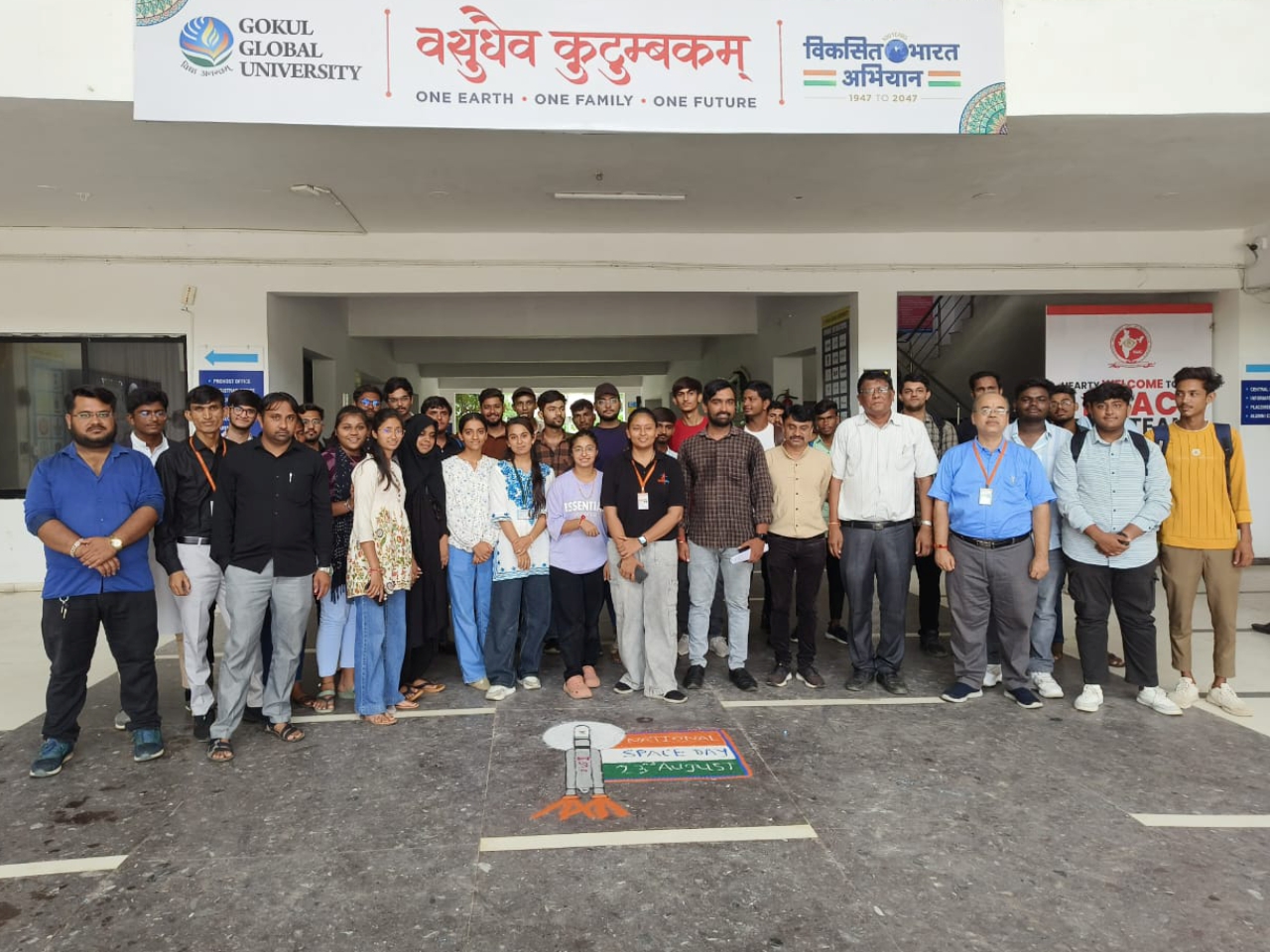
Expert lectures
24/08/2024
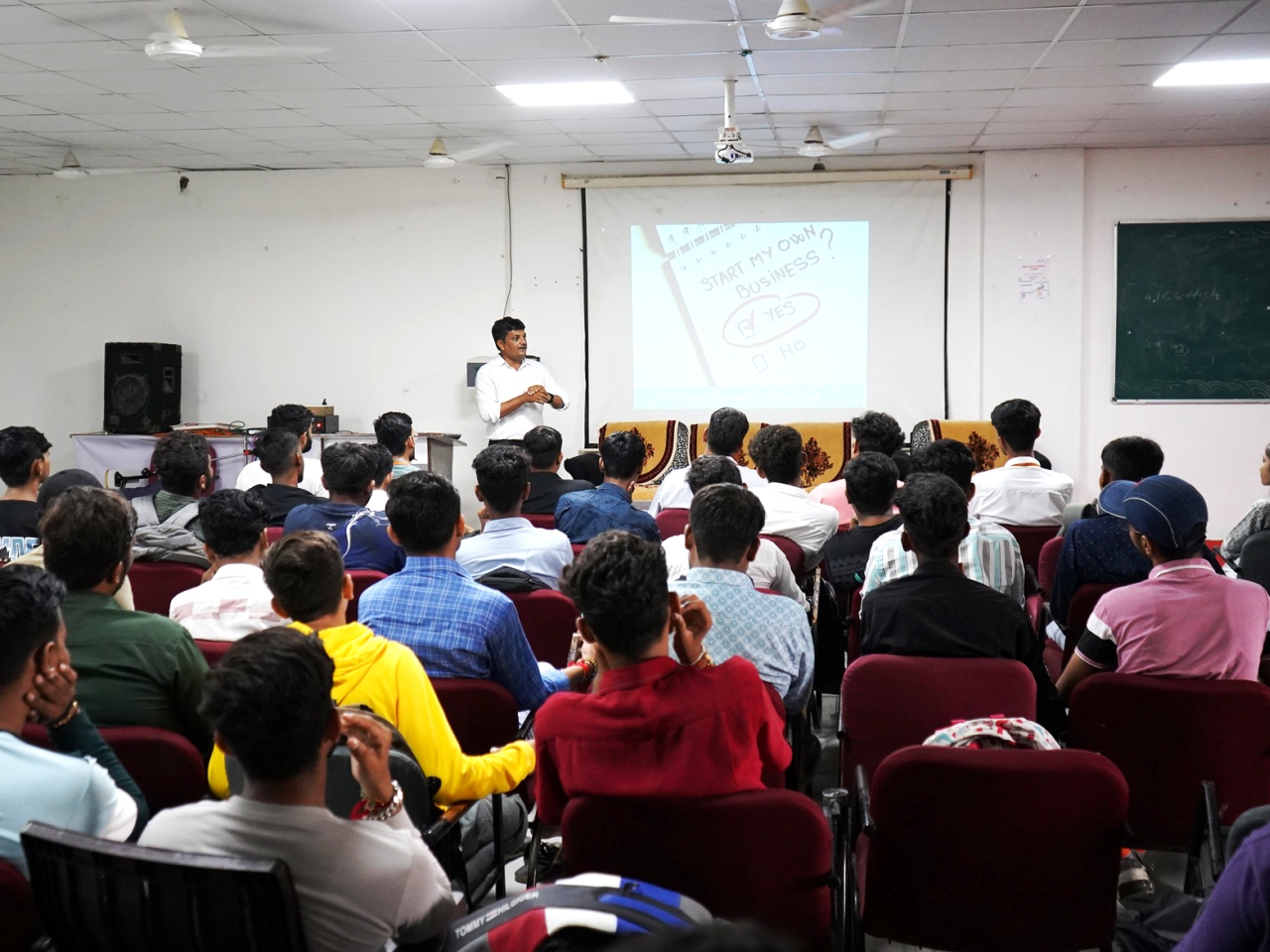
Start-up Skill India
23/08/2024
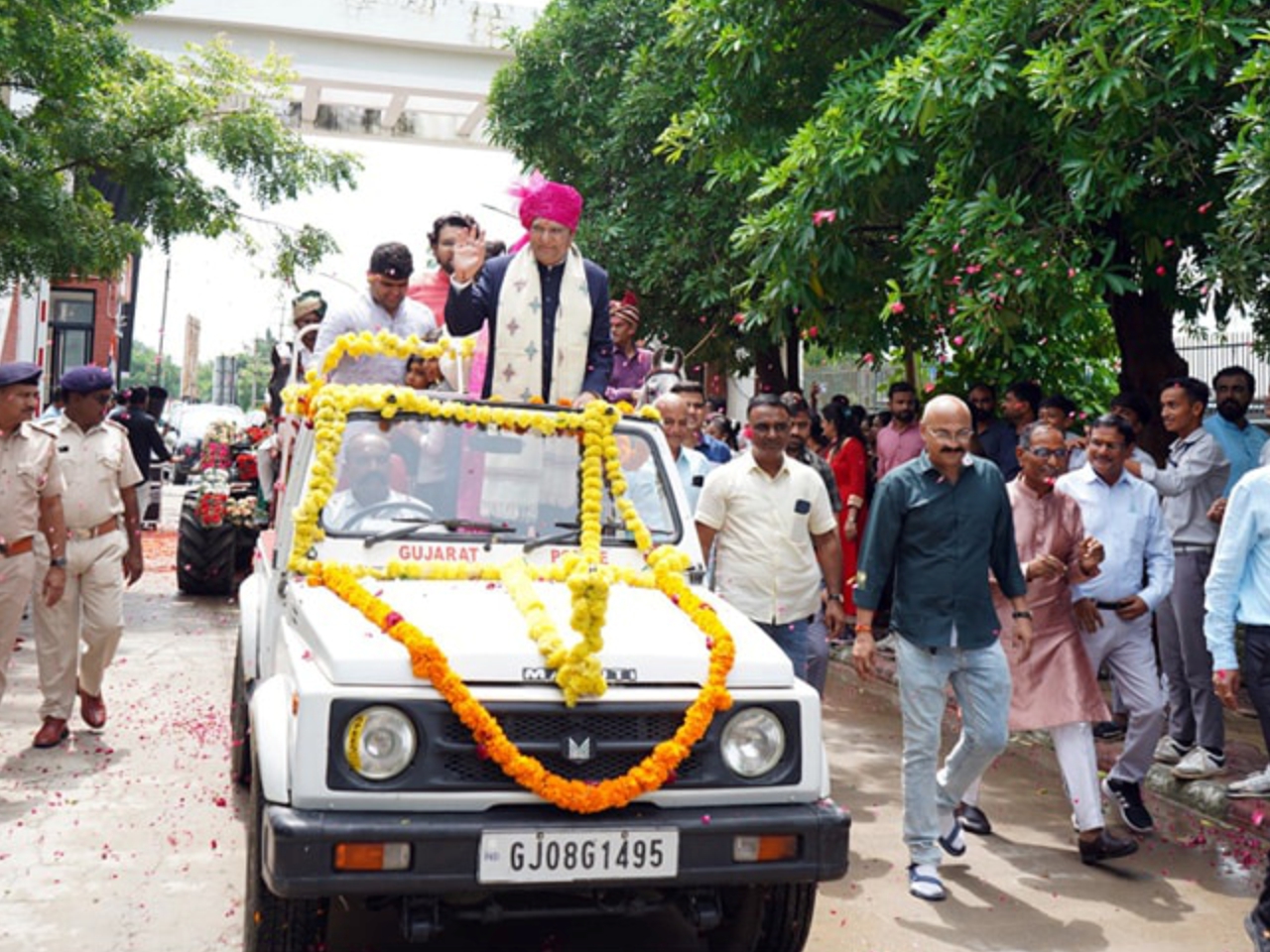
Birthday
17/08/2024
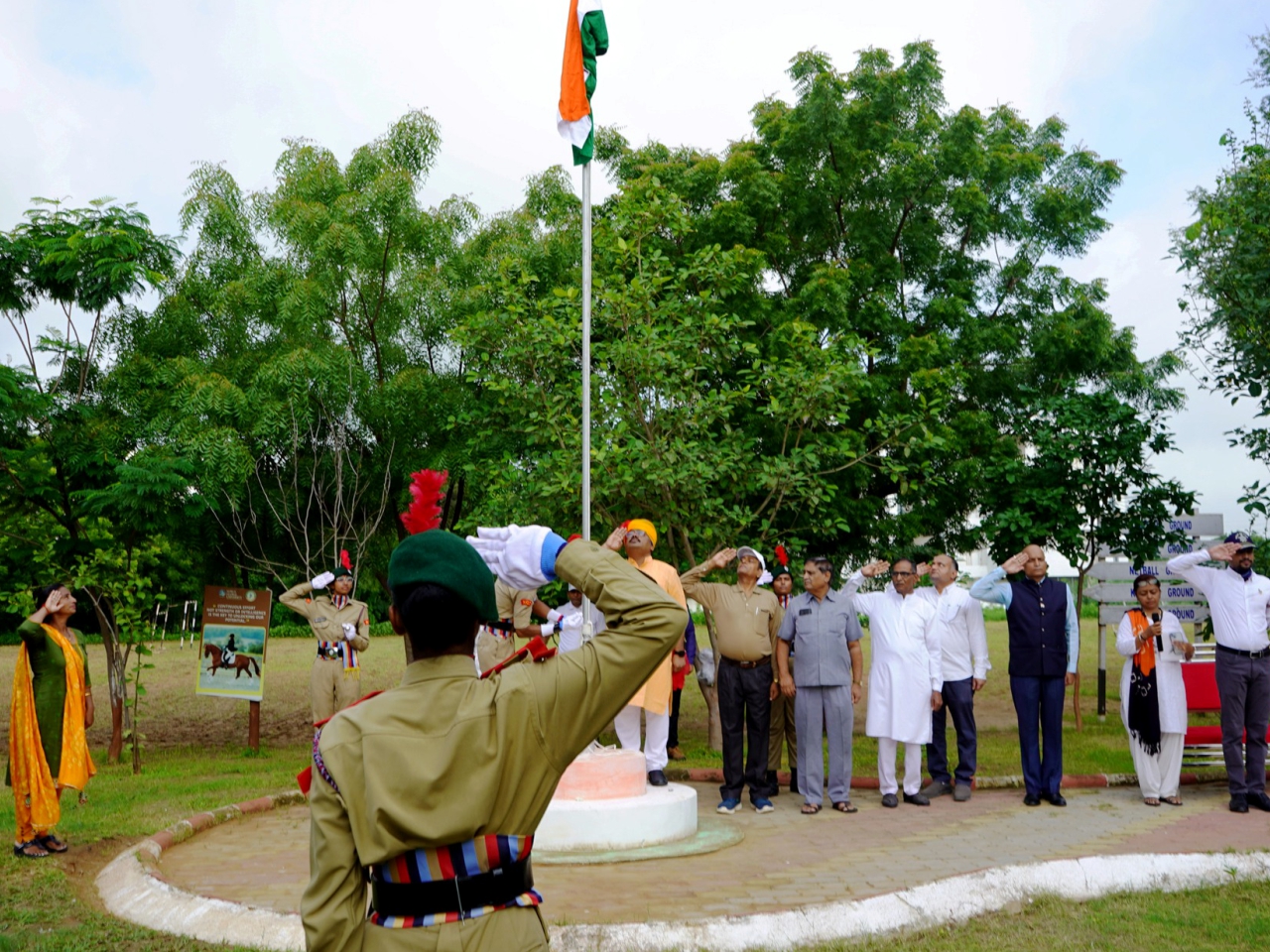
"VIKSIT BHARAT 2047"
15/08/2024
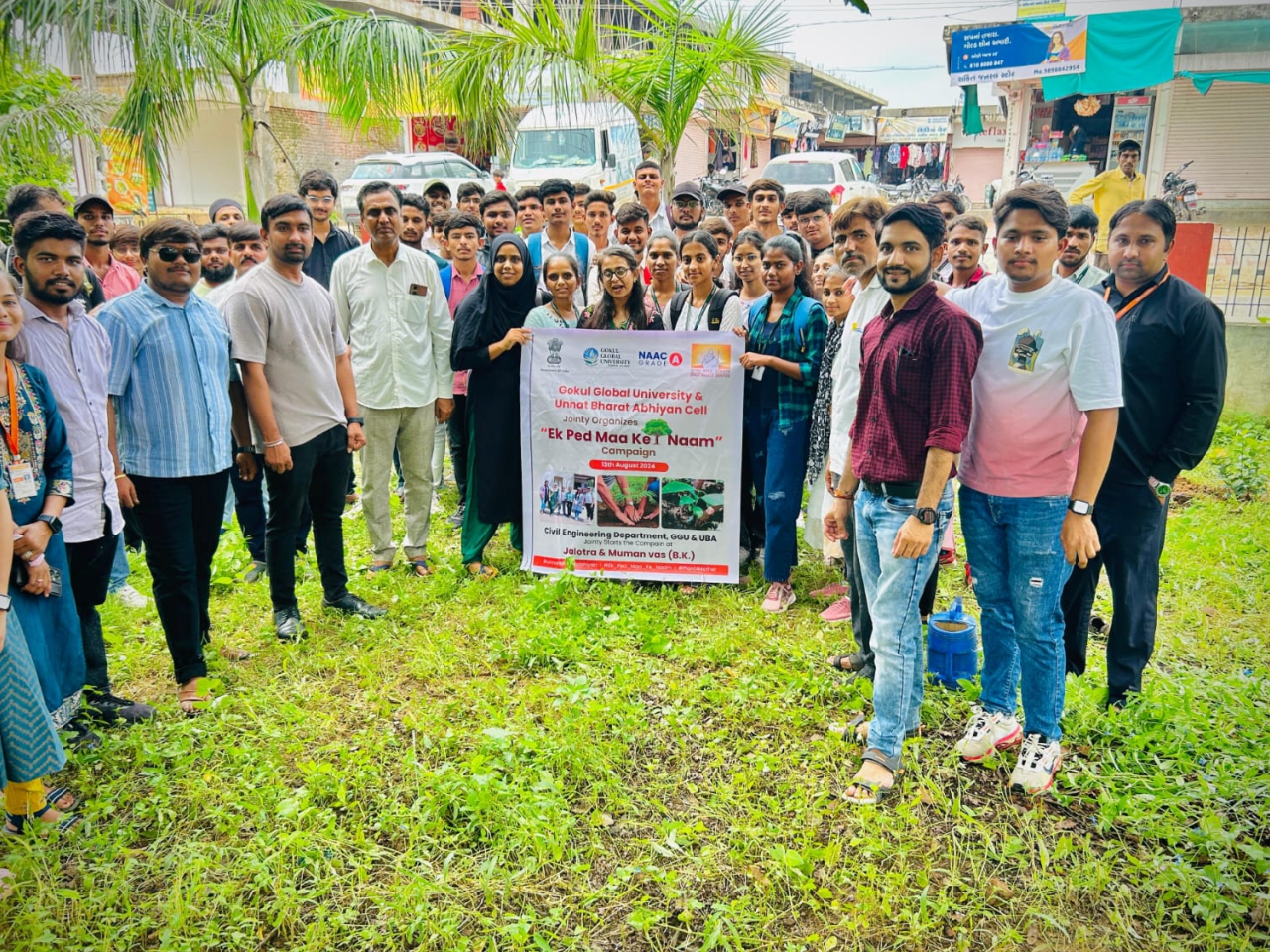
Campaign
14/08/2024
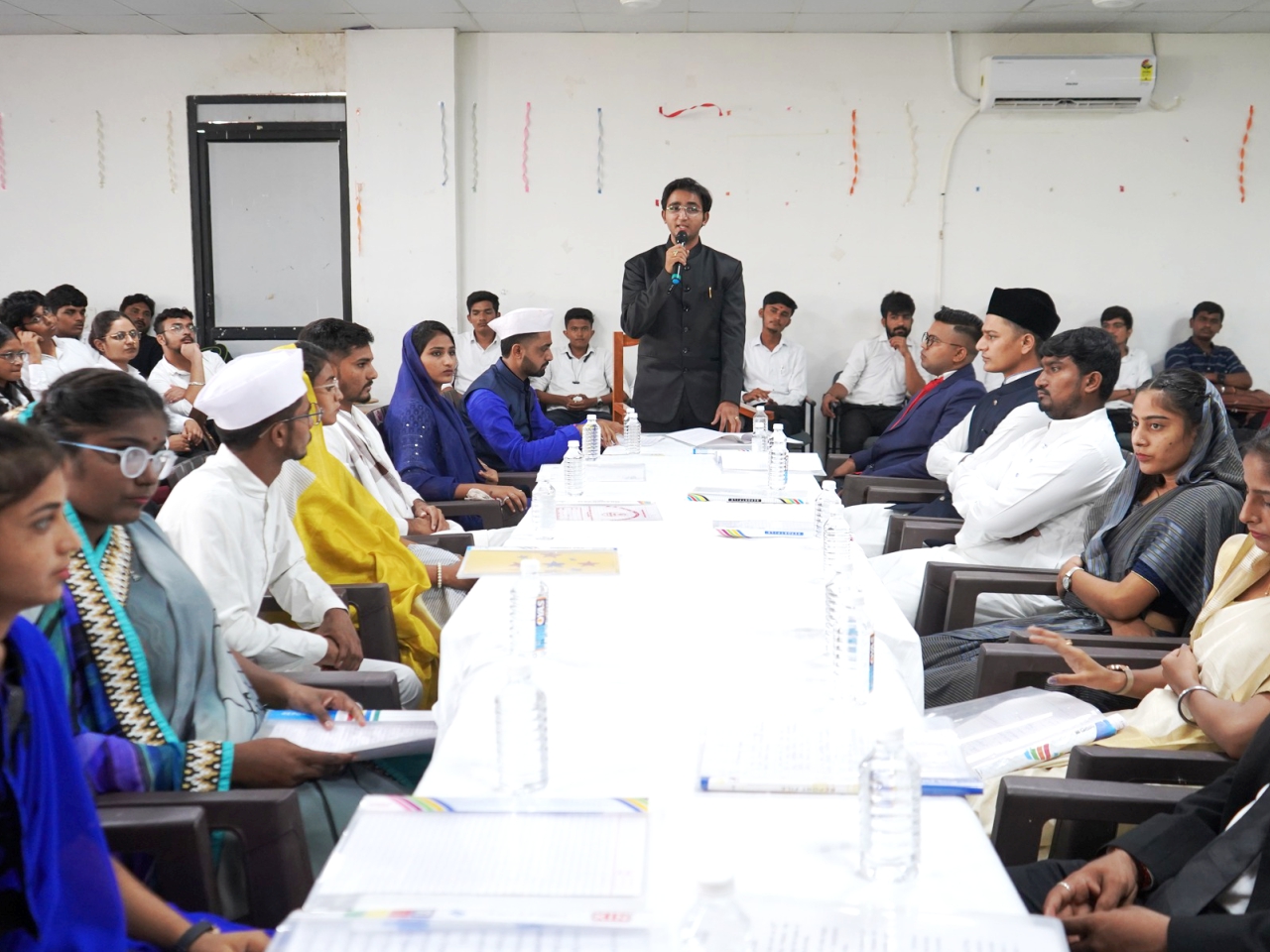
Event
14/08/2024
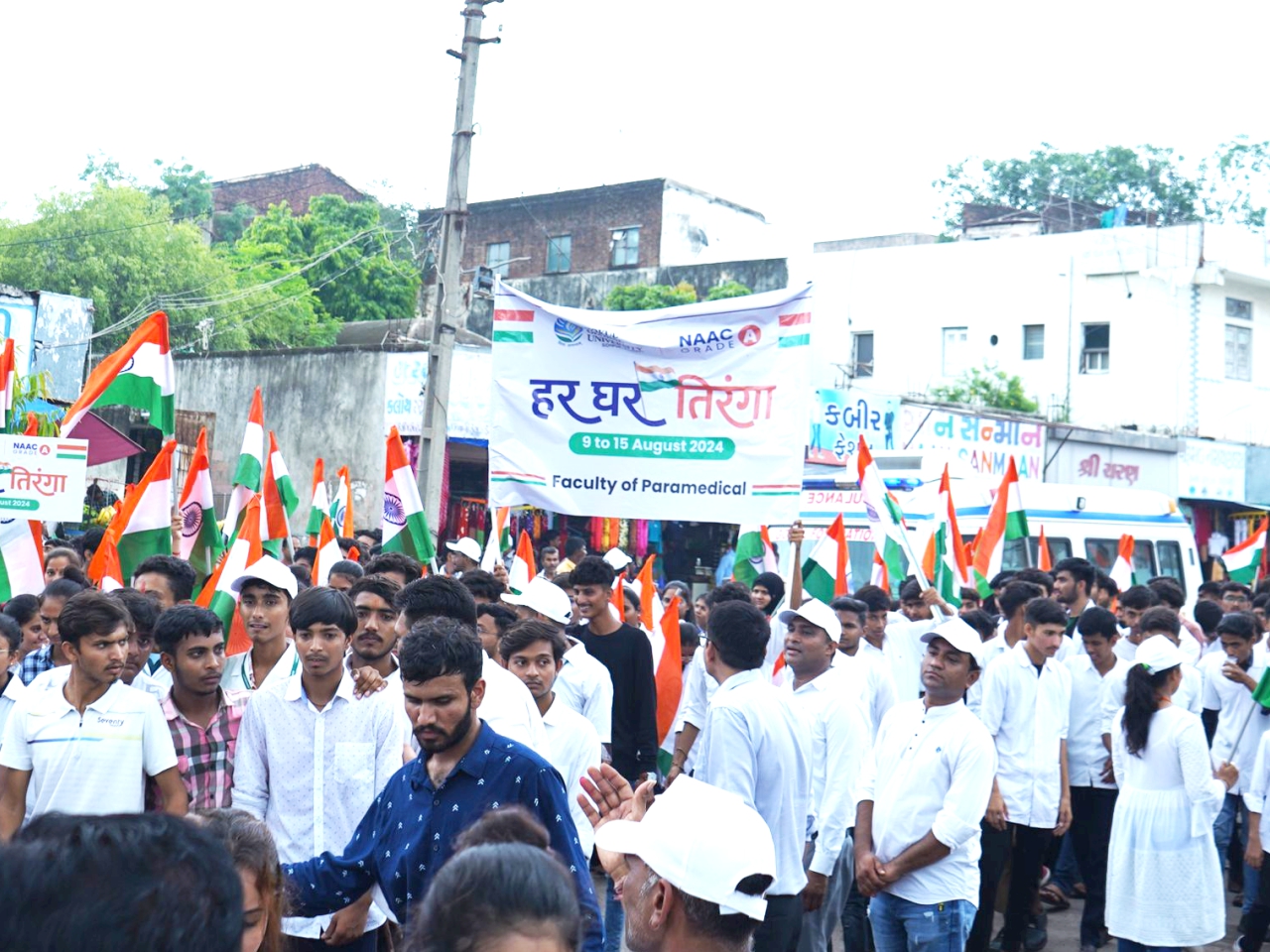
Event
10/08/2024
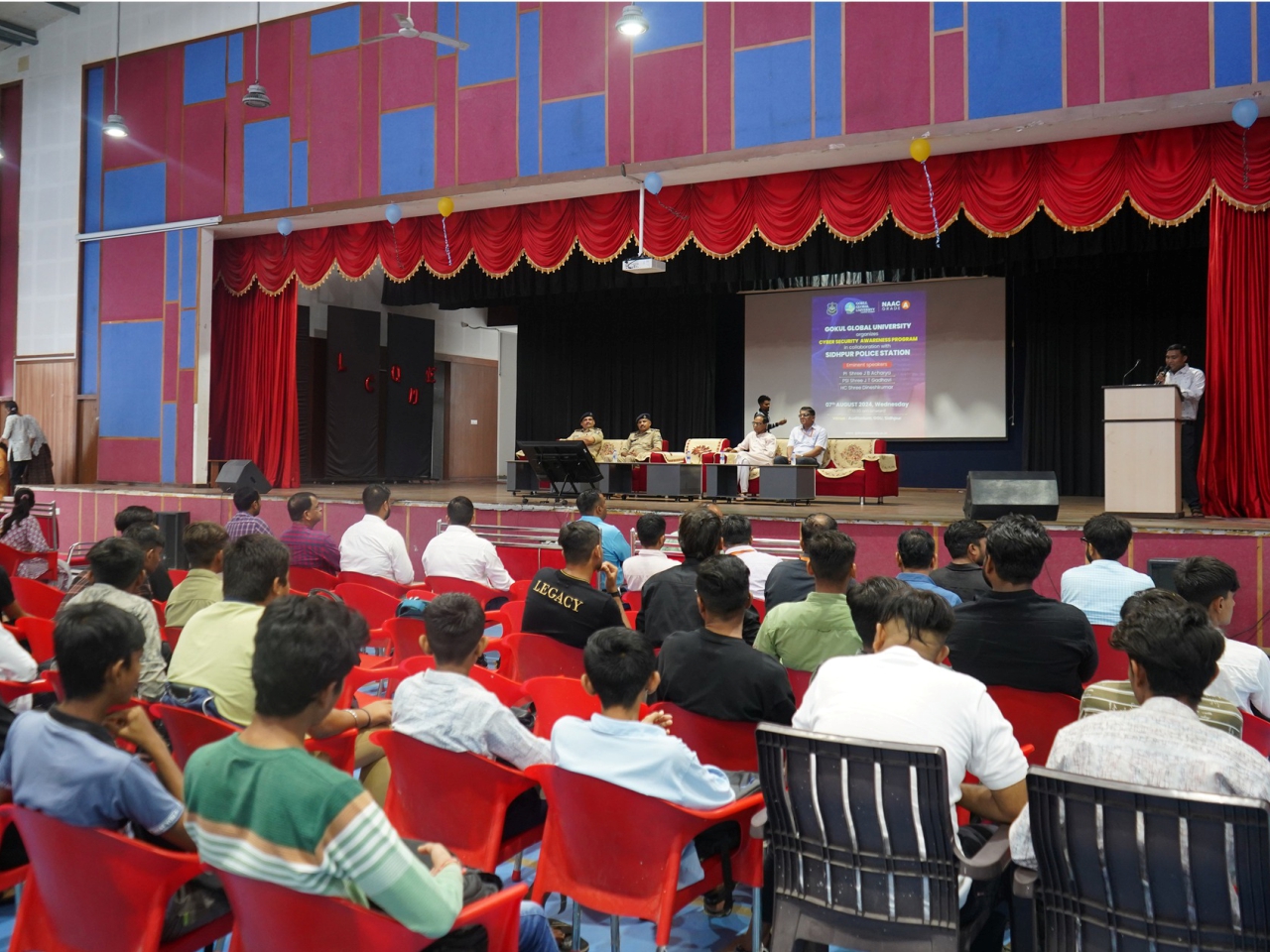
Event
07/08/2024
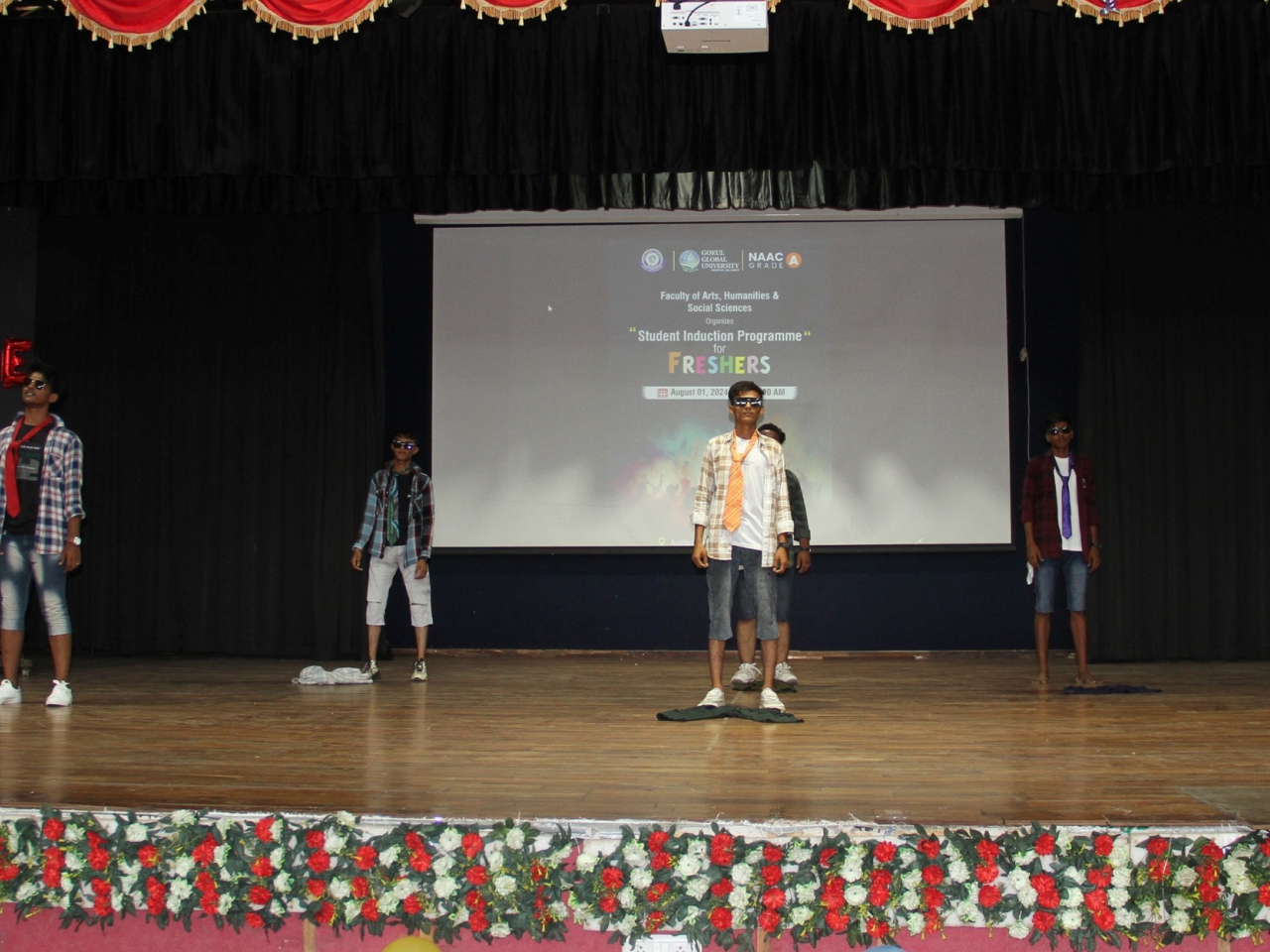
Event
05/08/2024
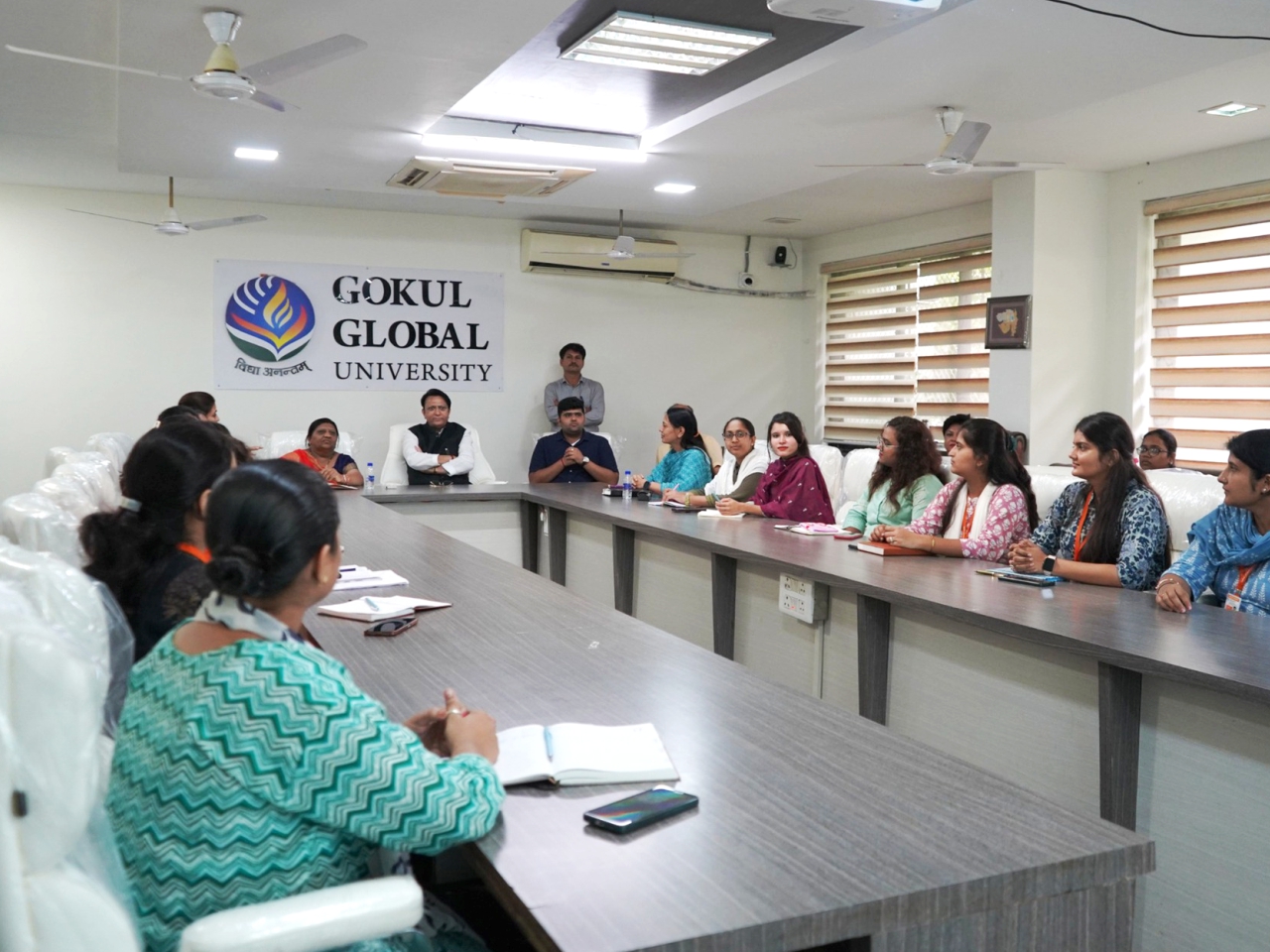
Board Meeting
02/08/2024
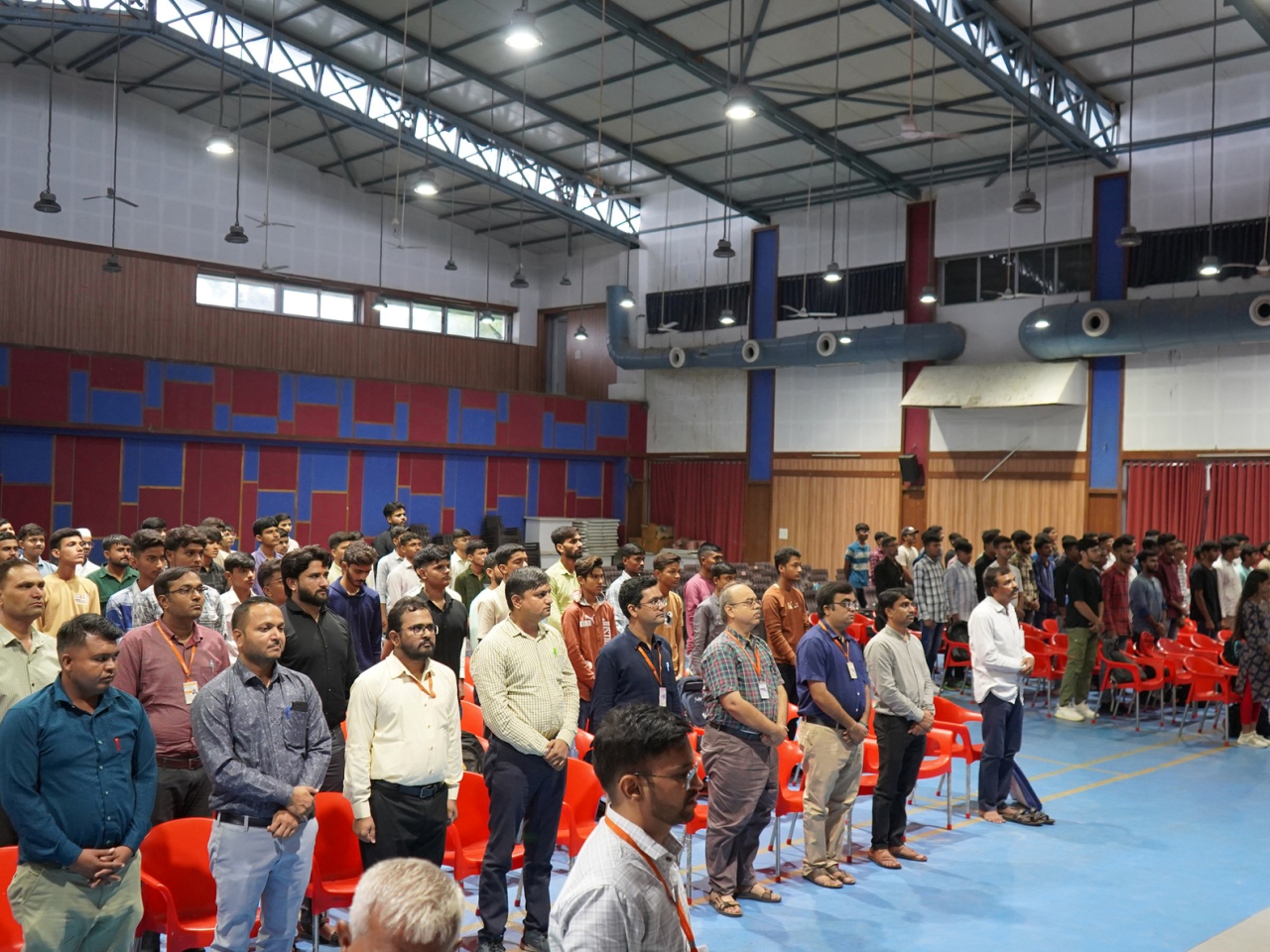
Event
31/07/2024
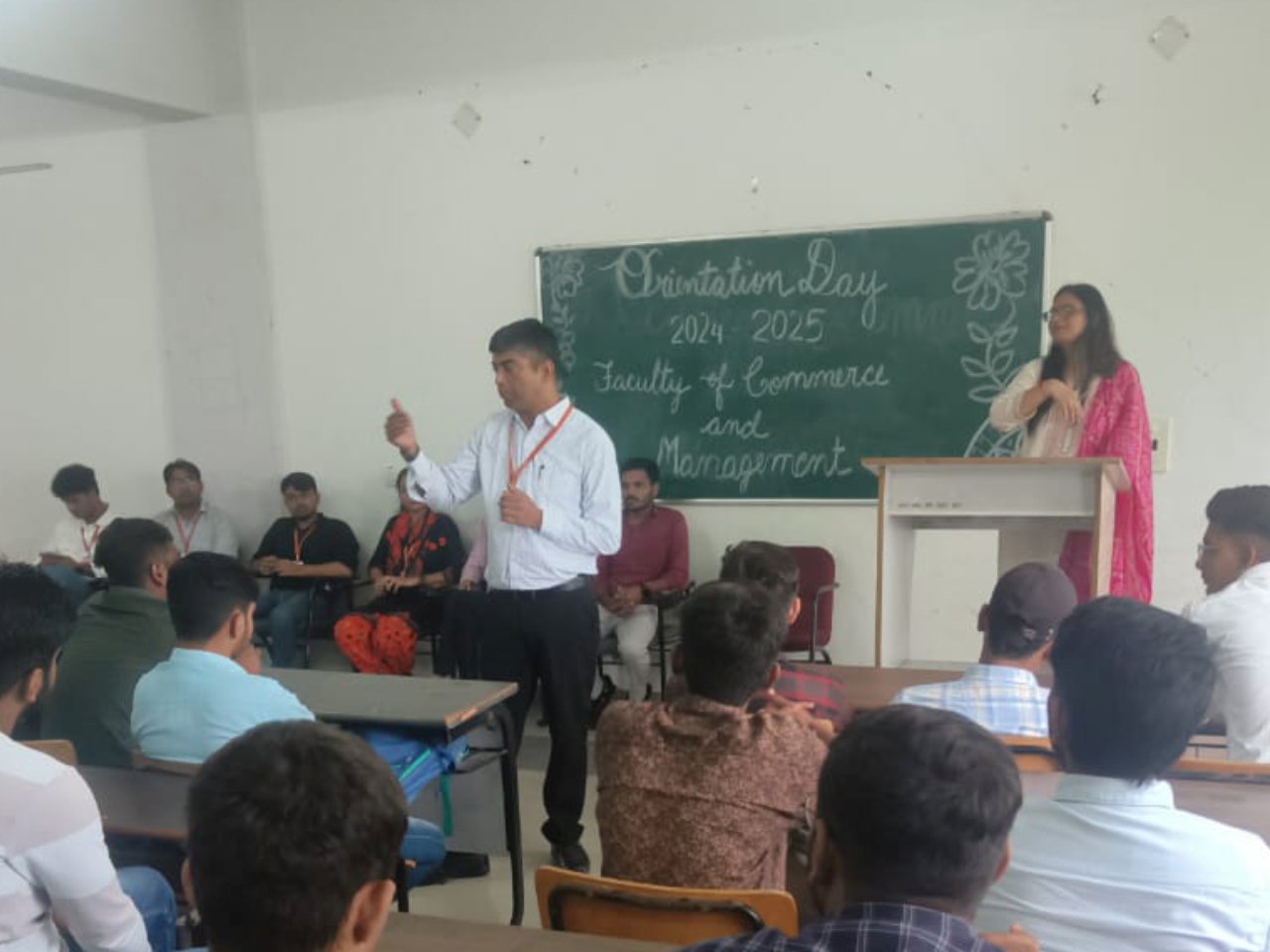
Event
27/07/2024
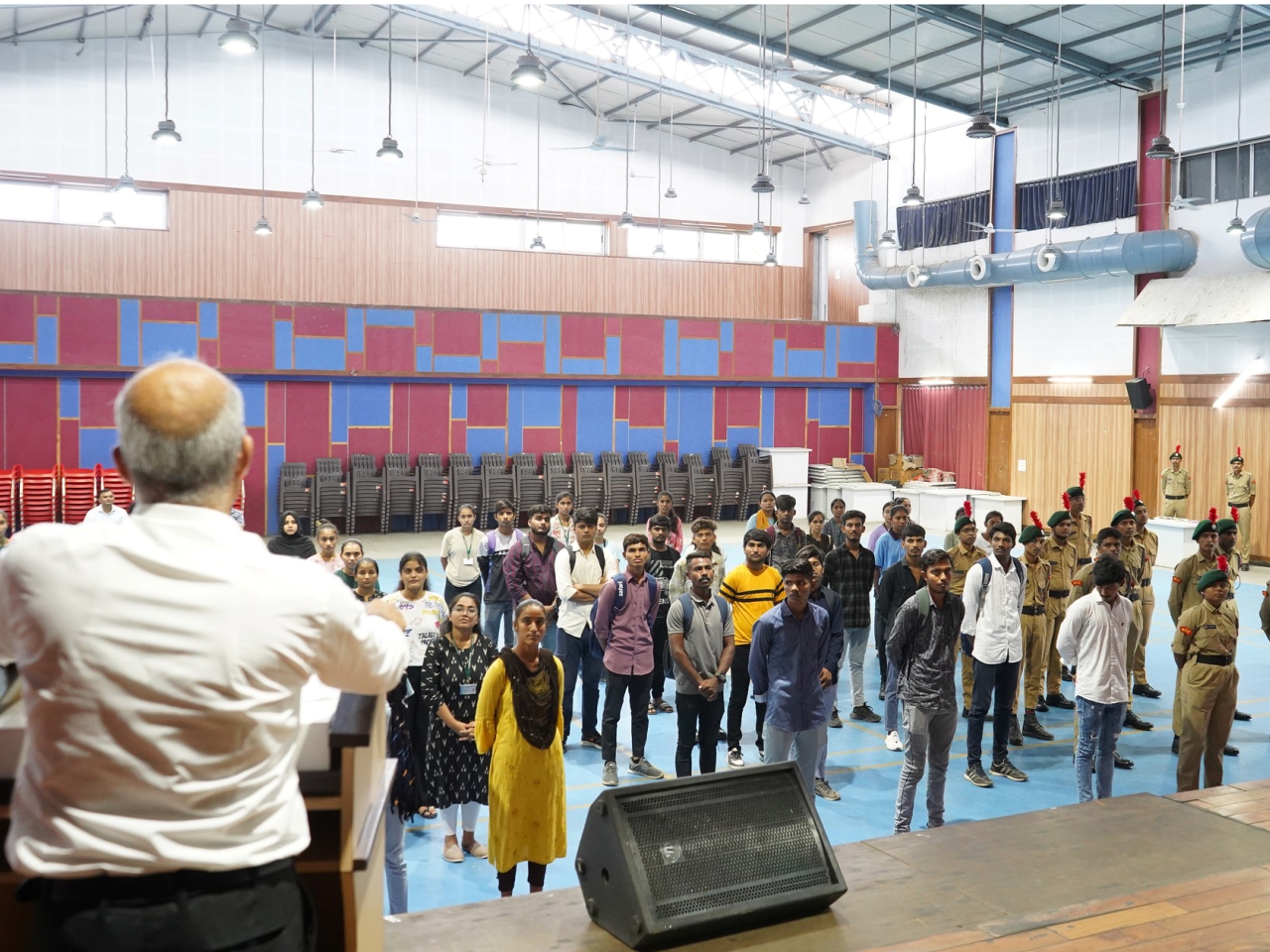
Event
27/07/2024
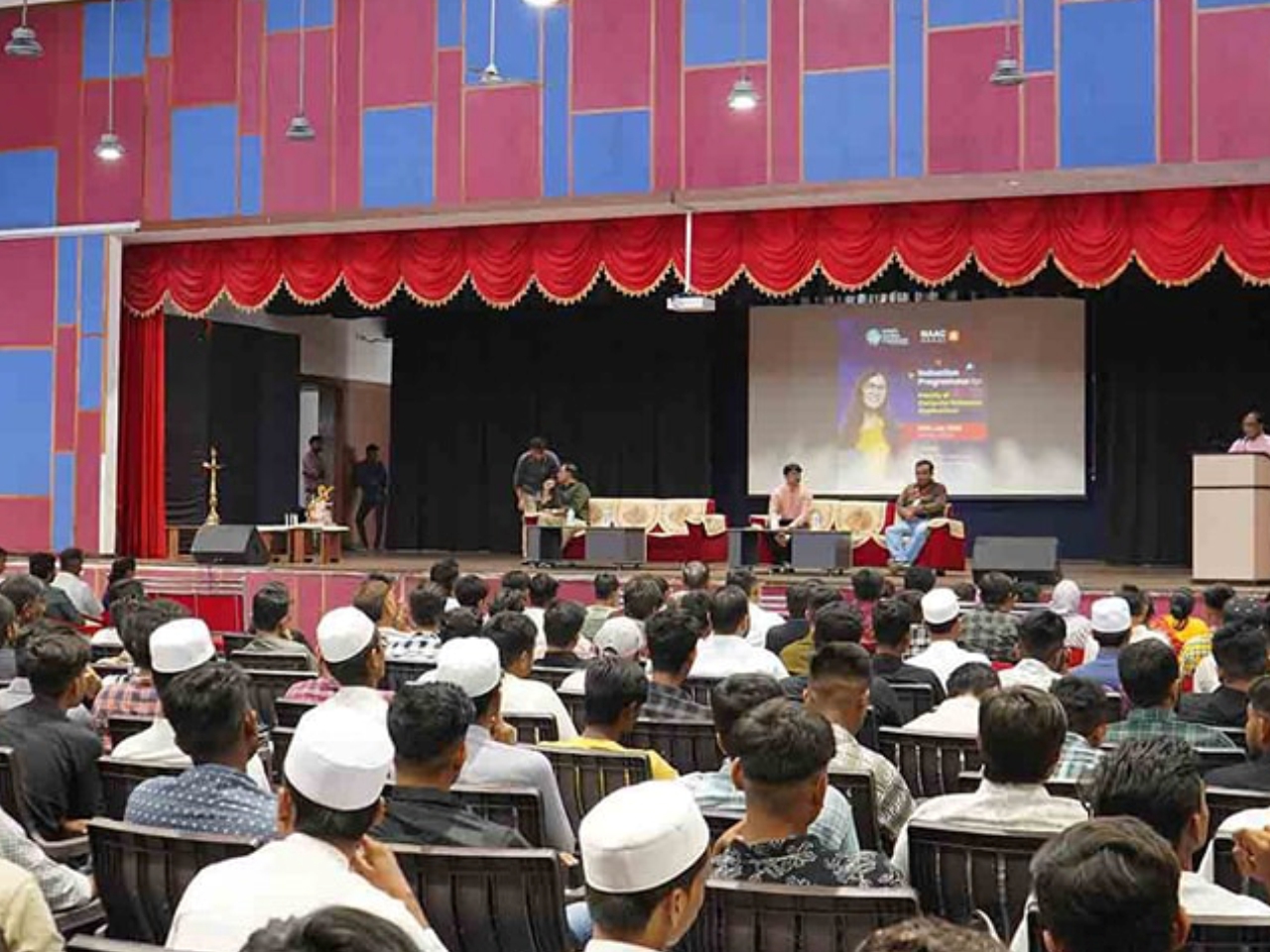
Event
05/07/2024
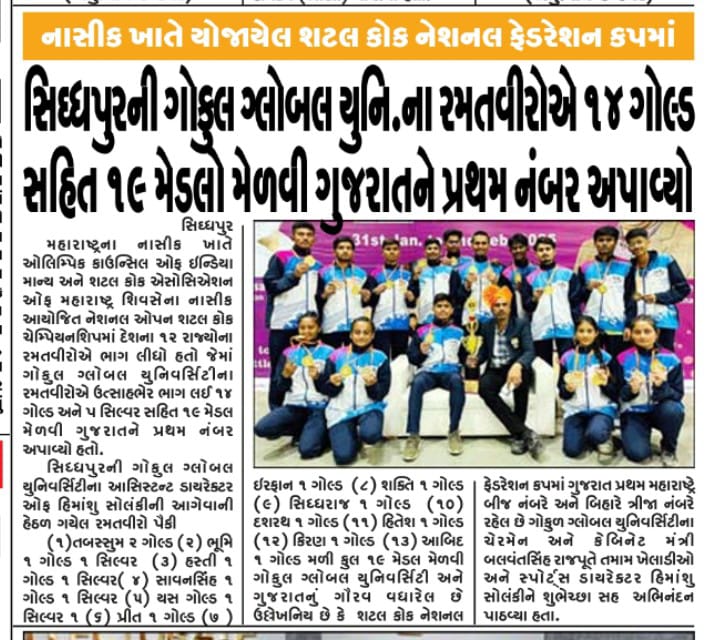
Achievement
05/02/2025
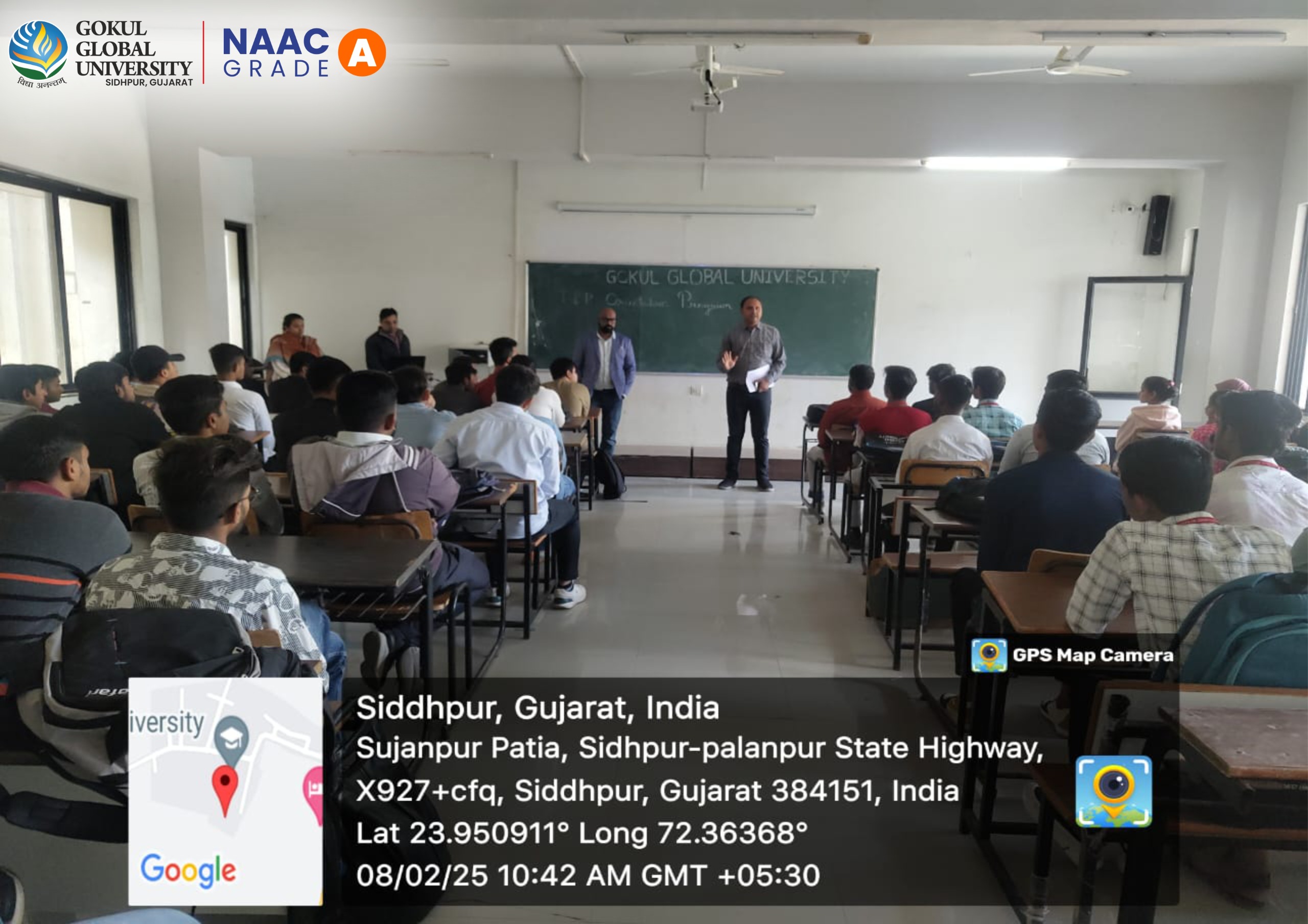
Seminar
08/02/2025

Achievement
10/03/2025

Event
17/03/2025

Event
08/03/2025

Seminar
08/03/2025

Visit
07/03/2025

Event
23/02/2025

Event
18/05/2025
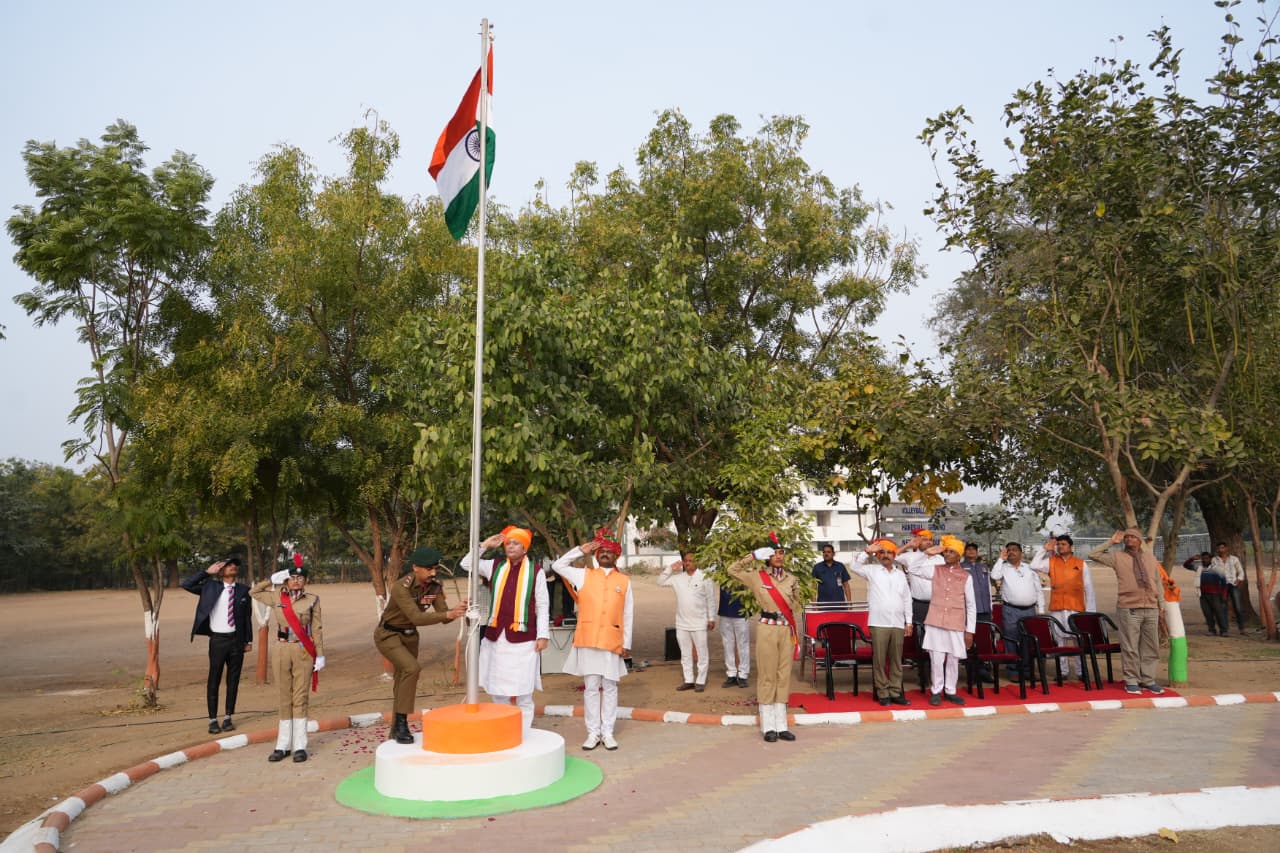
Event
26/01/2026
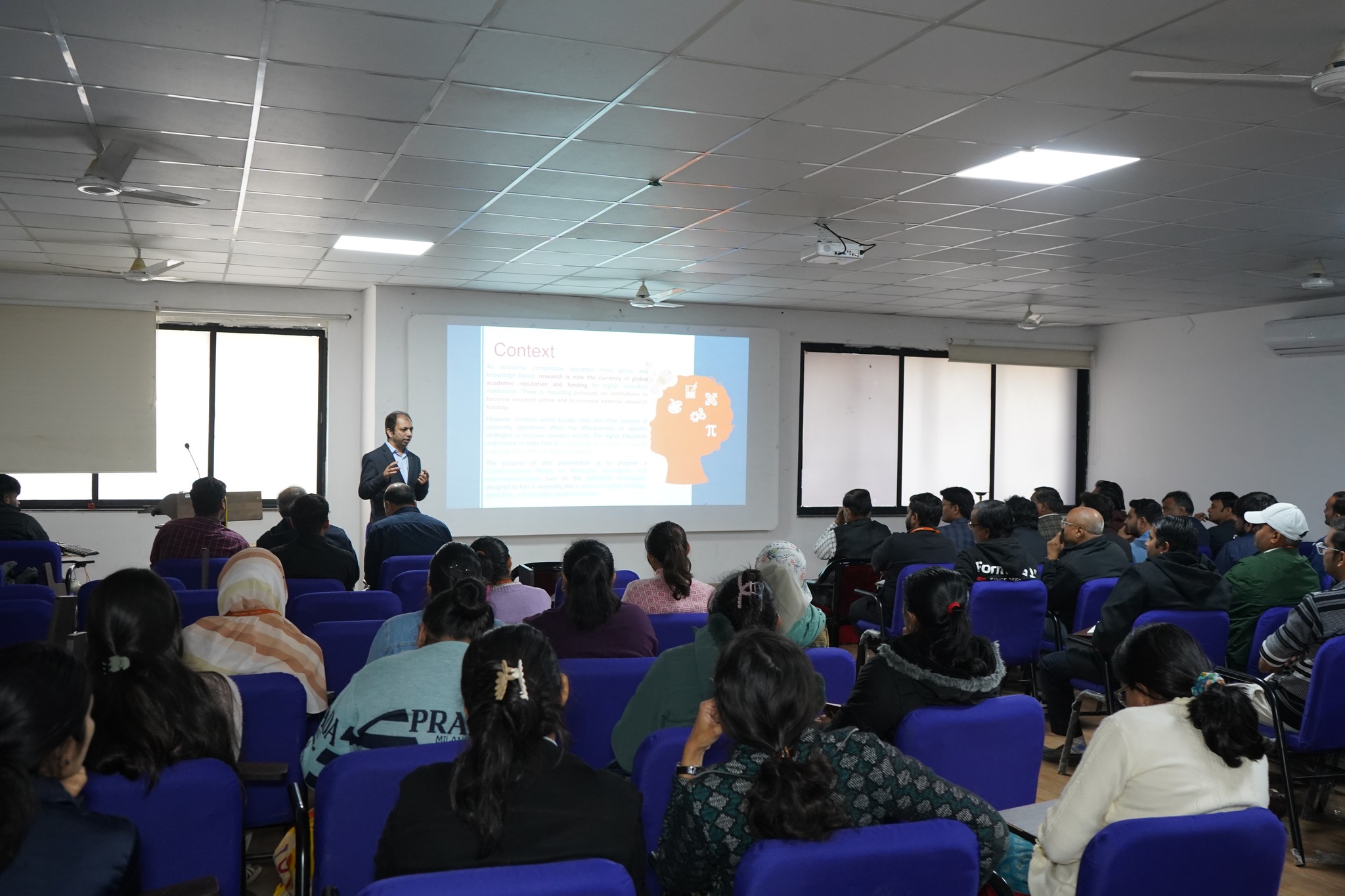
Seminar
10/01/2026
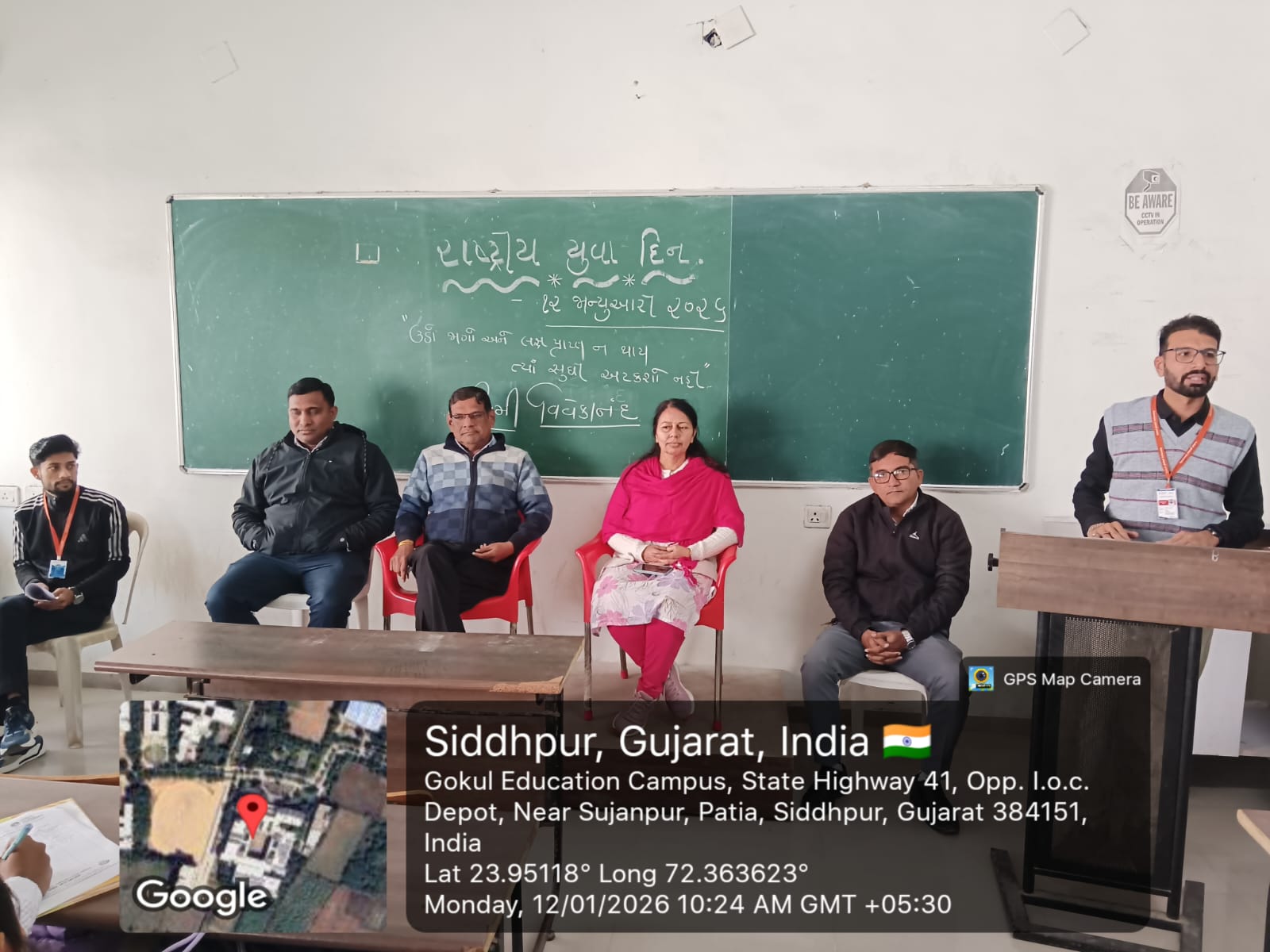
Seminar
12/01/2026

Achievement
10/01/2026
Admissions Open for
A.Y. 2026-27
A university shapes futures. At Gokul Global University, we empower students through skill-based learning for lasting career success
 +91 9512400804

